Hawaii’s Underwater Gardeners: The Incredible Ecosystem Role of the Honu
Without the Honu, Hawaii’s Reefs Would Suffer: The Science Behind It
Most people who go snorkeling at Turtle Canyon off Waikiki come away thinking about the moment a sea turtle drifted past them. That moment is real, and it stays with you. But here is something most visitors never stop to consider: that turtle was not just floating around looking magnificent. It was doing a job. Hawaii’s green sea turtles, the honu, are among the most important animals in the Pacific Ocean. Remove them from the water, and coral reefs, seagrass beds, and countless marine species would begin to feel the absence almost immediately. This is how one ancient animal holds an entire ocean together.
An Ancient Animal with an Active Role
Sea turtles have been swimming the world’s oceans for more than 100 million years. They outlasted the extinction event that wiped out the dinosaurs, survived ice ages, and adapted through warming and cooling cycles that lasted millennia. Their longevity speaks to something important. These are not passive passengers in the ocean. They are workers, and the ocean has come to depend on what they do.
In Hawaii, the species you are most likely to encounter is the Hawaiian green sea turtle, known scientifically as chelonia mydas. Adult green turtles are herbivores. They spend most of their time eating algae scraped from reef surfaces and grazing on underwater seagrass meadows. This sounds simple, but the effects of that grazing ripple outward through the entire ecosystem in ways scientists are still studying.
The Underwater Gardeners of Hawaii’s Reefs
Seagrass meadows are among the most productive habitats in the ocean. They shelter juvenile fish, provide food for crabs and shrimp, filter sediment from the water, and absorb enormous amounts of carbon dioxide. Seagrass is also one of the fastest-growing marine plants on earth. That growth, left unchecked, can become a problem.
When seagrass grows too long without grazing, the older blades decay and block sunlight from reaching the root systems below. The meadow begins to die from the inside out. New growth stalls. The nutrient content of the remaining grass drops. The habitat that fish and other creatures depend on becomes less productive over time.
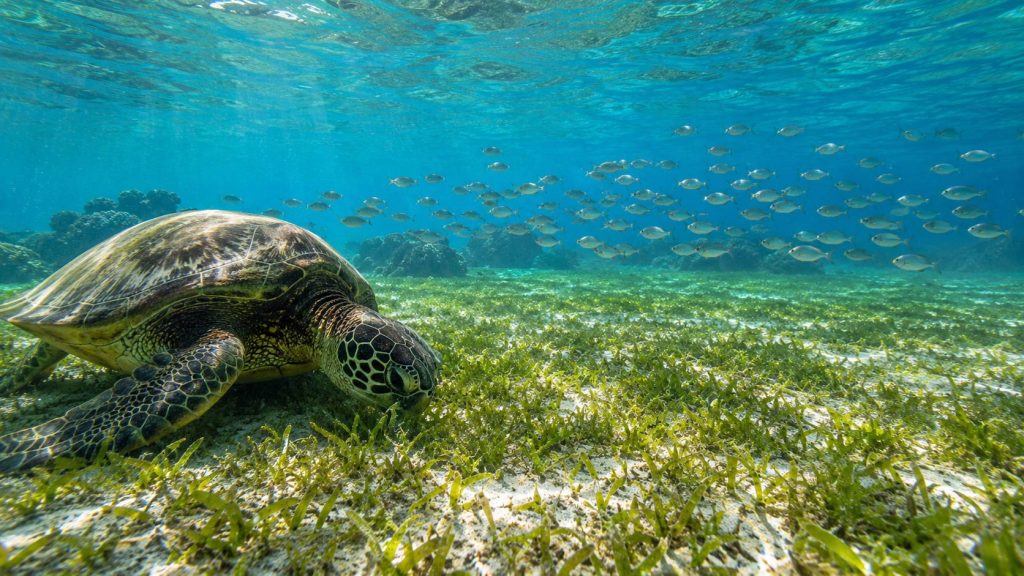
Green sea turtles solve this problem simply by eating. When a honu grazes a seagrass meadow, it crops the blades short and stimulates a burst of fresh, dense regrowth. Scientists studying sea turtle grazing behavior have found that newly cropped seagrass produces leaves with significantly higher nutritional content than ungrazed areas. The turtle, in effect, is farming while it feeds. A single adult green sea turtle can eat more than 1,000 pounds of seagrass in a year.
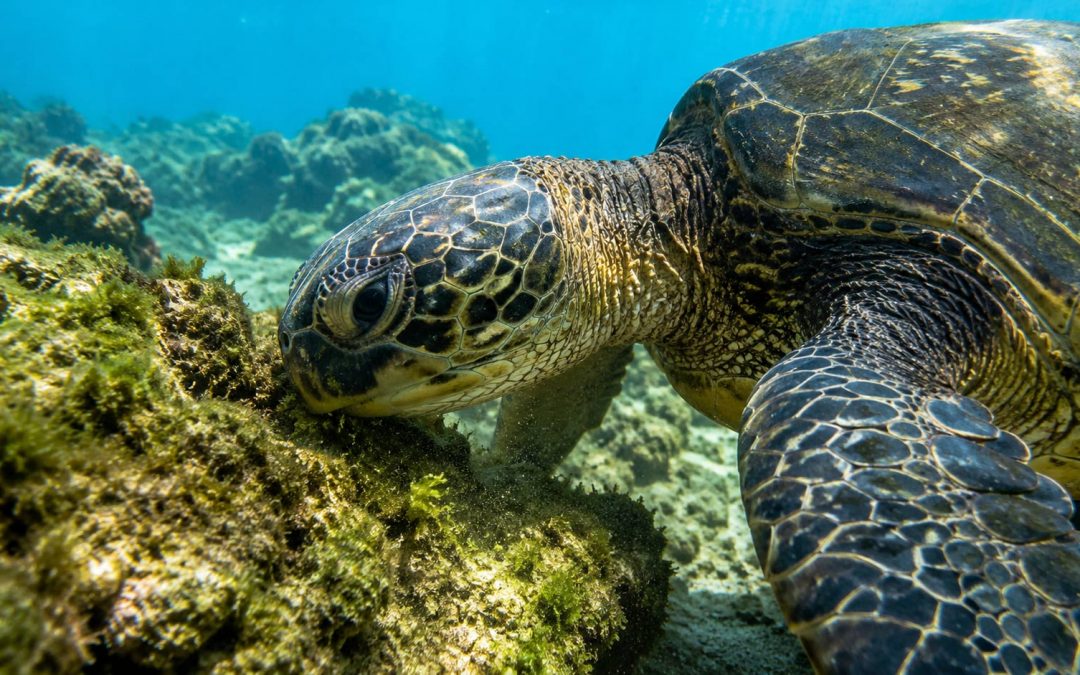
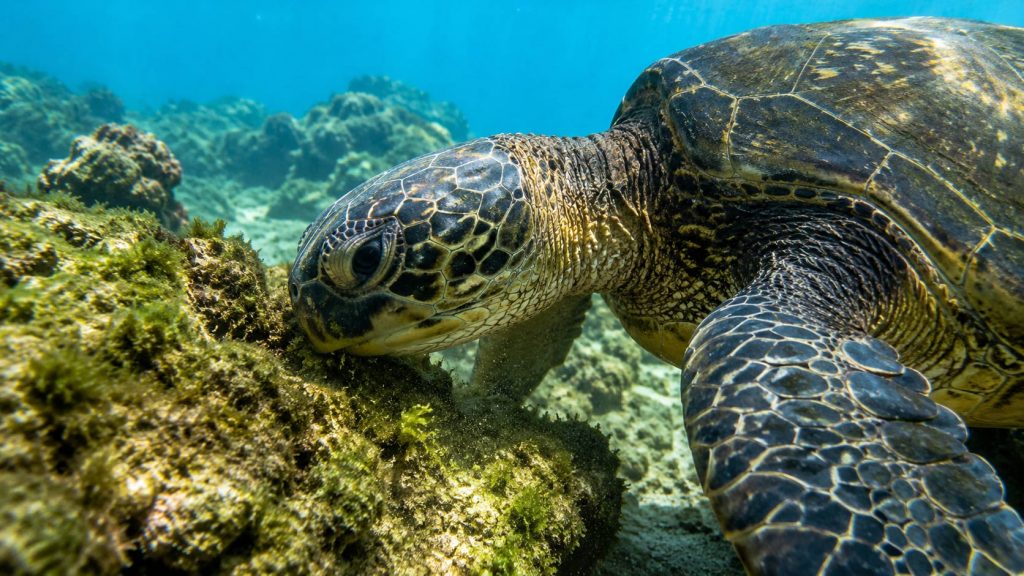
In Hawaiian waters, where green sea turtles feed primarily on algae growing on reef surfaces rather than traditional seagrass meadows, this same grazing dynamic plays out on the coral itself. At Turtle Canyon off Waikiki, it is common to watch a honu pressing its beak directly against the reef, scraping away the algae that would otherwise smother and suffocate the coral below. That quiet feeding behavior is one of the most important acts of reef maintenance happening anywhere in Oahu’s coastal waters.
Feeding the Reef: How Turtle Waste Becomes Coral Food
There is another contribution sea turtles make to reef health that most people never hear about. It involves what happens after they eat.
When a green sea turtle digests algae and seagrass, it processes plant matter and returns nutrient-rich waste back into the water column. That waste contains nitrogen and phosphorus, two of the core building blocks that coral polyps need to grow and reproduce. In areas with healthy sea turtle populations, the surrounding water receives a consistent, organic supply of these nutrients. The coral gets fed, the reef stays productive, and the marine food web that depends on it continues to function.
Think of it as a cycle. The turtle eats from the reef. The reef benefits from what the turtle produces. Over a population of hundreds or thousands of turtles working the same stretch of water across multiple generations, the compounding effect of that nutrient exchange is substantial. It is one reason reefs in areas with recovering turtle populations show measurable signs of improved coral health.
The Hawksbill’s Specialized Role
While green sea turtles focus on algae and seagrass, the hawksbill sea turtle contributes to reef health in a very different way. Hawksbills are sponge specialists. Their narrow, pointed beaks are perfectly shaped for reaching into crevices in the reef and pulling out sea sponges, which make up the majority of their diet.
This matters because sponges grow fast and compete aggressively with coral for space on the reef surface. When sponge populations go unchecked, they can overrun sections of reef and crowd out the coral colonies that build the reef structure itself. By keeping sponge populations in balance, hawksbill sea turtles perform a kind of reef maintenance that nothing else in the ecosystem can replicate.
Hawksbills are critically endangered worldwide and are rarely spotted in Hawaiian inshore waters. Their scarcity is a quiet reminder of what the ocean loses when a species declines. The role they play is not a small one, and no other animal steps in to fill it when they are gone.
Jellyfish, Leatherbacks, and the Open Ocean
Beyond the reef, leatherback sea turtles patrol the open Pacific and perform their own service to the broader marine ecosystem. Leatherbacks feed almost exclusively on jellyfish, and they eat in enormous quantities. A large adult leatherback can consume hundreds of pounds of jellyfish in a single day.
When jellyfish populations are left uncontrolled, they can explode into massive blooms that devastate fish larvae and small marine animals throughout the water column. These blooms disrupt food chains, reduce fish populations, and affect the health of the broader ocean environment. Leatherbacks keep that dynamic in check by consuming jellyfish at a rate no other predator comes close to matching.
Leatherbacks are not part of the Turtle Canyon experience. They prefer open water far from shore. But their presence in the Pacific is one more strand in the web of relationships that keeps Hawaii’s broader ocean ecosystem functioning the way it does.
What This Means for Oahu and Turtle Canyon
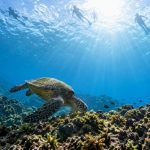
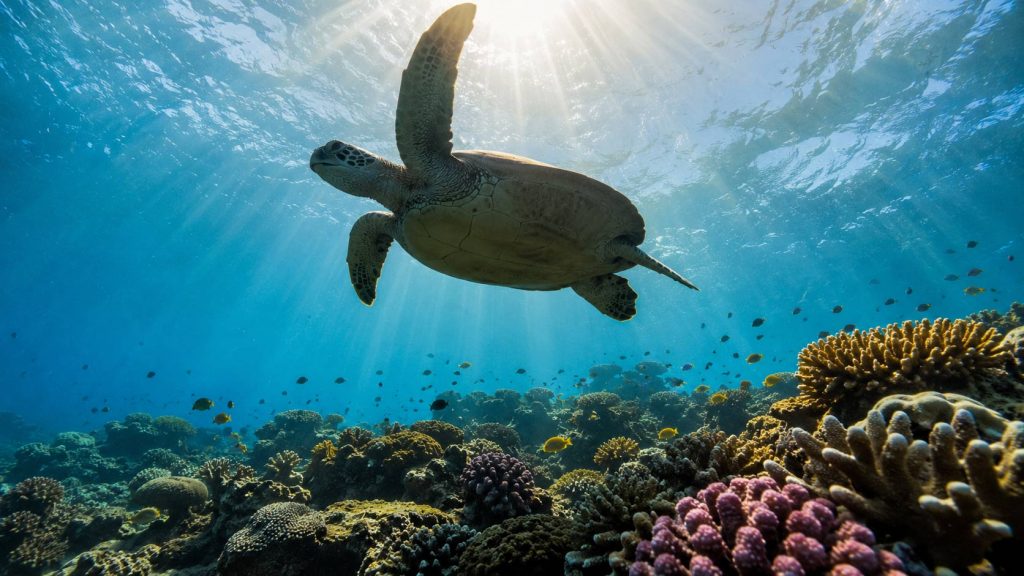
When you go snorkeling at Turtle Canyon with Turtles and You, you are visiting one of the most productive reef systems off the coast of Oahu. The fish, the coral, the clarity of the water, the density of marine life you see around you: all of it has been shaped, in part, by the generations of honu that have grazed these reefs for centuries.
The turtles at Turtle Canyon are not visitors to the reef any more than the coral is. They are part of it. The reef has been maintained by their grazing, fertilized by their presence, and shaped by their daily movements across it. When you are in the water alongside them, you are watching an ecological relationship that has been running for tens of millions of years.
The Turtle Canyon tour puts you directly above that relationship. Everything you need is included.
- All snorkeling gear including masks and life vests
- Crew safety briefing and in-water guidance from CPR-certified staff
- Complimentary snacks and beverages onboard
- Waikiki hotel trolley pickup and return
- A traditional Hawaiian hula performance
Tours depart from Kewalo Basin Harbor at Pier D in Waikiki, with morning runs at 10:00 AM and afternoon runs at 1:00 PM. The full experience runs about two hours.
A Living Reminder of What We Stand to Lose
When sea turtle populations collapsed across the Pacific in the 20th century from hunting, egg collection, and bycatch in fishing gear, the effects showed up in the ecosystems those turtles had shaped. Seagrass beds grew overgrown in some areas. Sponge populations expanded on reefs where hawksbills had disappeared. The nutrient cycles that sea turtles had maintained for millennia began to slow.
The Hawaiian green sea turtle has been protected under the Endangered Species Act since 1978, and the results have been real. Hawaiian honu populations have grown significantly in the decades since that protection took effect. But threats remain. Plastic pollution, warming ocean temperatures, boat strikes, and fishing gear entanglement continue to affect sea turtles globally. The recovery is encouraging, but it is not finished.
Every honu you see at Turtle Canyon is the product of that recovery. It is also an argument for continuing it.
The Hidden Work of an Ancient Animal
Most people think of sea turtles as beautiful, peaceful creatures drifting through the water. That is not wrong. But beneath that calm exterior, the honu is doing things the reef cannot function without. Grazing algae that would otherwise choke the coral. Cycling nutrients that feed the reef’s growth. Maintaining the ecological balance that makes Hawaii’s coastal waters as rich and diverse as they are.
The next time you see a honu at Turtle Canyon, take a moment to watch what it actually does. Watch it press its beak against the reef and scrape. Watch it drift along the sandy bottom between feeding passes. What looks like an animal simply going about its day is something much larger. It is one of the ocean’s oldest workers, doing a job the ocean still needs done.
Dive Deeper Into What Makes Hawaii’s Ocean Tick
If understanding the honu changes how you see the ocean, imagine what it feels like to swim alongside one. The Turtle Canyon snorkeling tour departs twice daily from Kewalo Basin Harbor at Pier D in Waikiki, with morning departures at 10:00 AM and afternoon runs at 1:00 PM. All gear is included, the crew is CPR-certified, and the trolley from your Waikiki hotel picks you up at the door.
What you see below the surface is real Hawaii. And the honu are waiting to show it to you.