How Old Is That Sea Turtle? How Scientists Tell a Honu’s Age
Overview
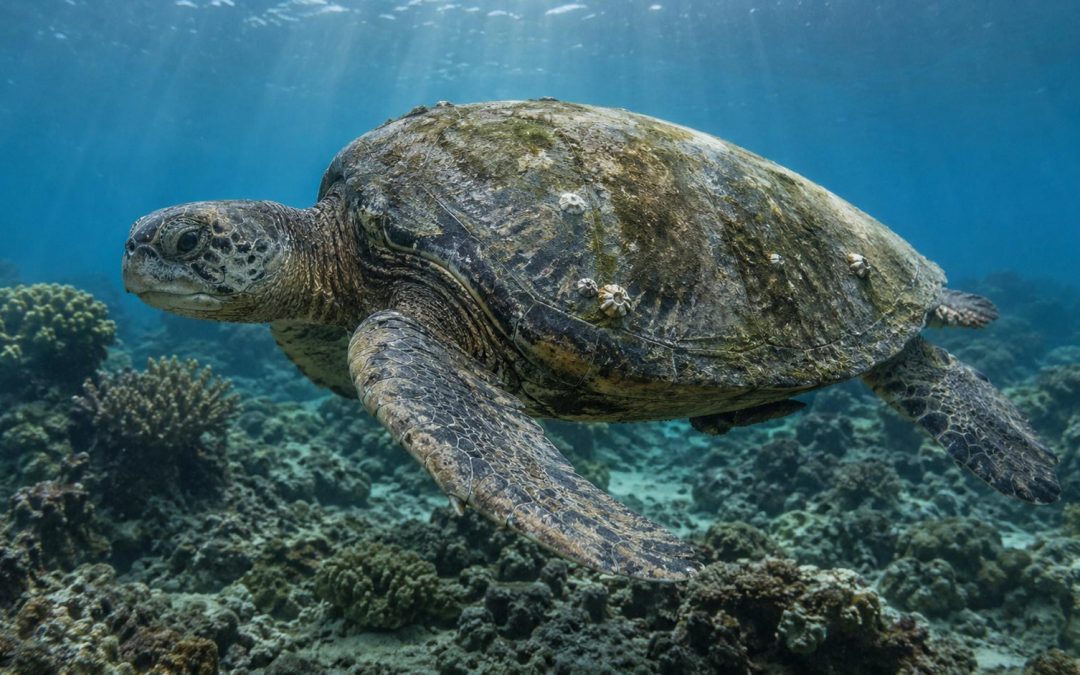
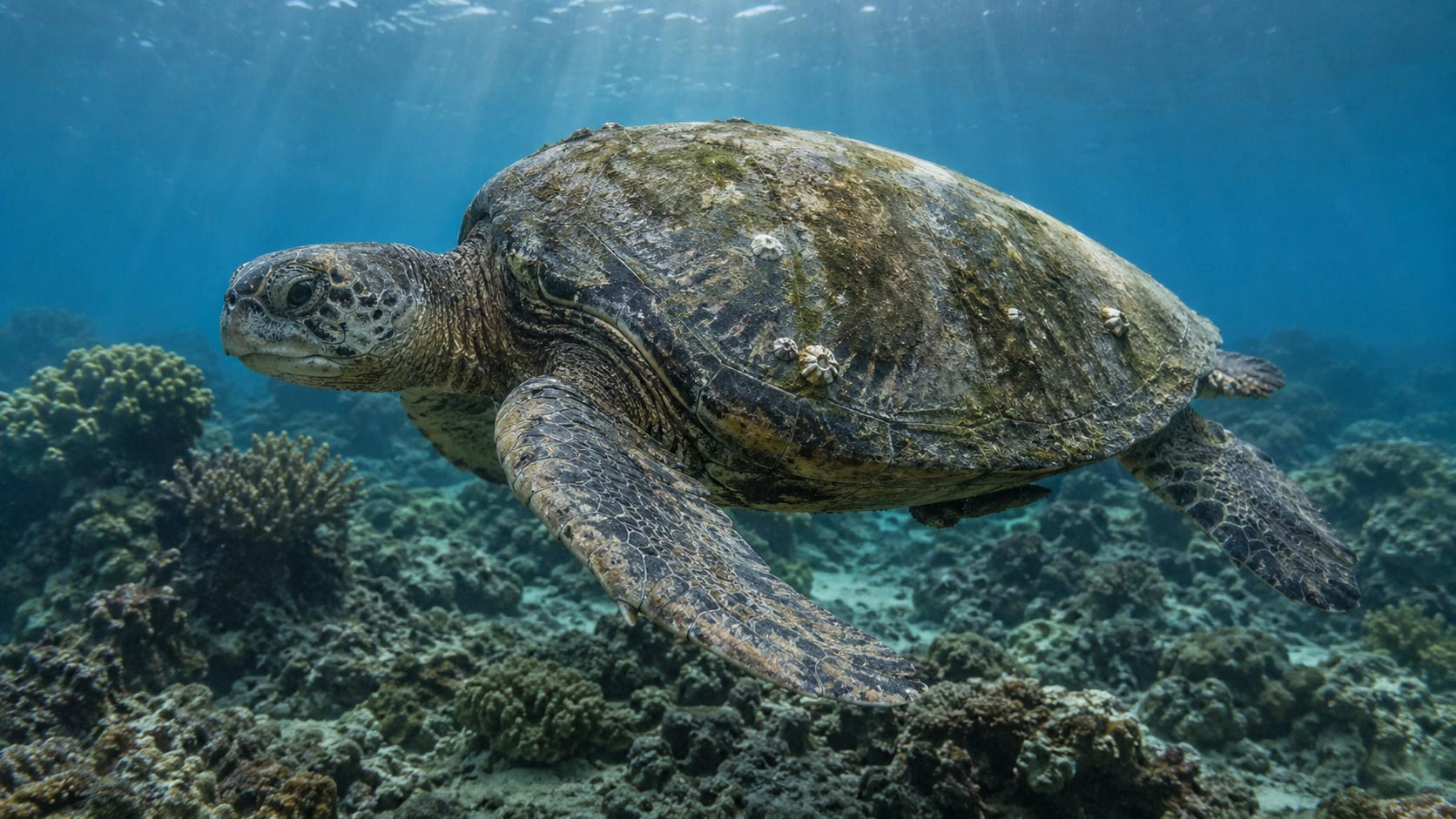
Float above a big Hawaiian green sea turtle and one question almost always comes to mind. How old is that turtle? It seems like it should be simple. Trees have rings, so surely a turtle’s shell has some clue, right? The truth is that figuring out a sea turtle’s age is one of the trickier puzzles in marine science. You cannot read it off the shell, you cannot reliably guess it from size, and even experts have to work hard to get a good estimate. This guide explains why age is so hard to pin down, the clever method scientists actually use, and what it all means when you meet a honu in the water.
The Short Answer: There Is No Easy Way
Here is the honest truth. There is no quick way to look at a wild sea turtle and know its age. Unlike counting rings on a tree stump, a sea turtle gives away very few clues about how long it has been alive. Scientists have developed a real method for estimating age, but it involves examining the growth rings inside a turtle’s bones, not anything you can see from the outside. For a living turtle swimming past you on the reef, the best anyone can offer is an educated guess based on its size and what we know about how these animals grow.
Why You Cannot Count Rings on the Shell
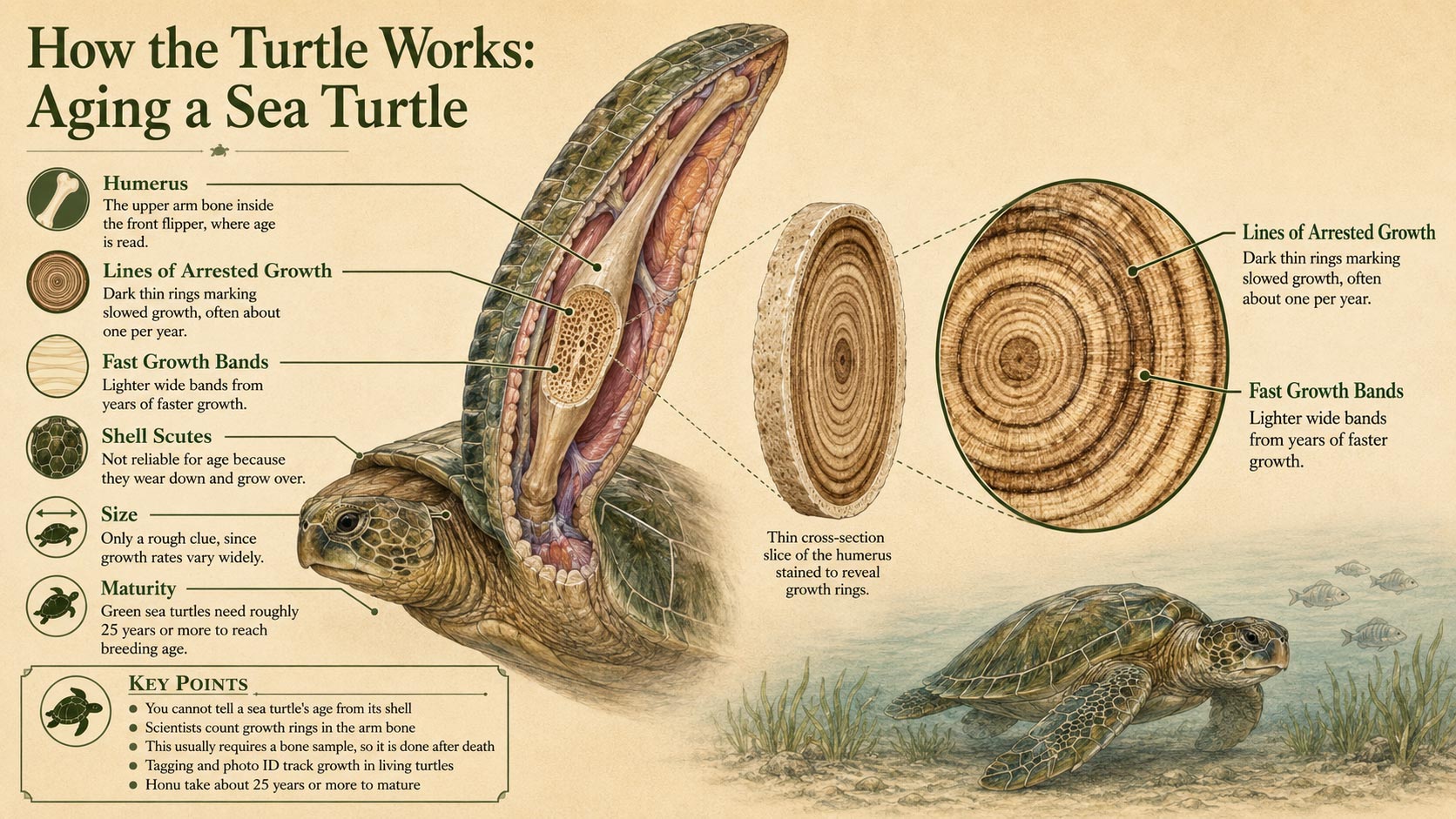
A lot of people assume you can count the rings or plates on a turtle’s shell to find its age, the same way you would with a tree. It is a reasonable guess, but it does not work for sea turtles. The plates on the shell, called scutes, do not add a neat new ring every year. On a sea turtle, scutes wear down, get scratched by the reef, grow over, and change with the rough life of the ocean, so any pattern that might have existed gets erased. The shell also stops telling a useful story once a turtle reaches adult size. So while the shell is a marvel of natural engineering, it is a terrible calendar.
Skeletochronology: Reading Growth Rings in the Bones
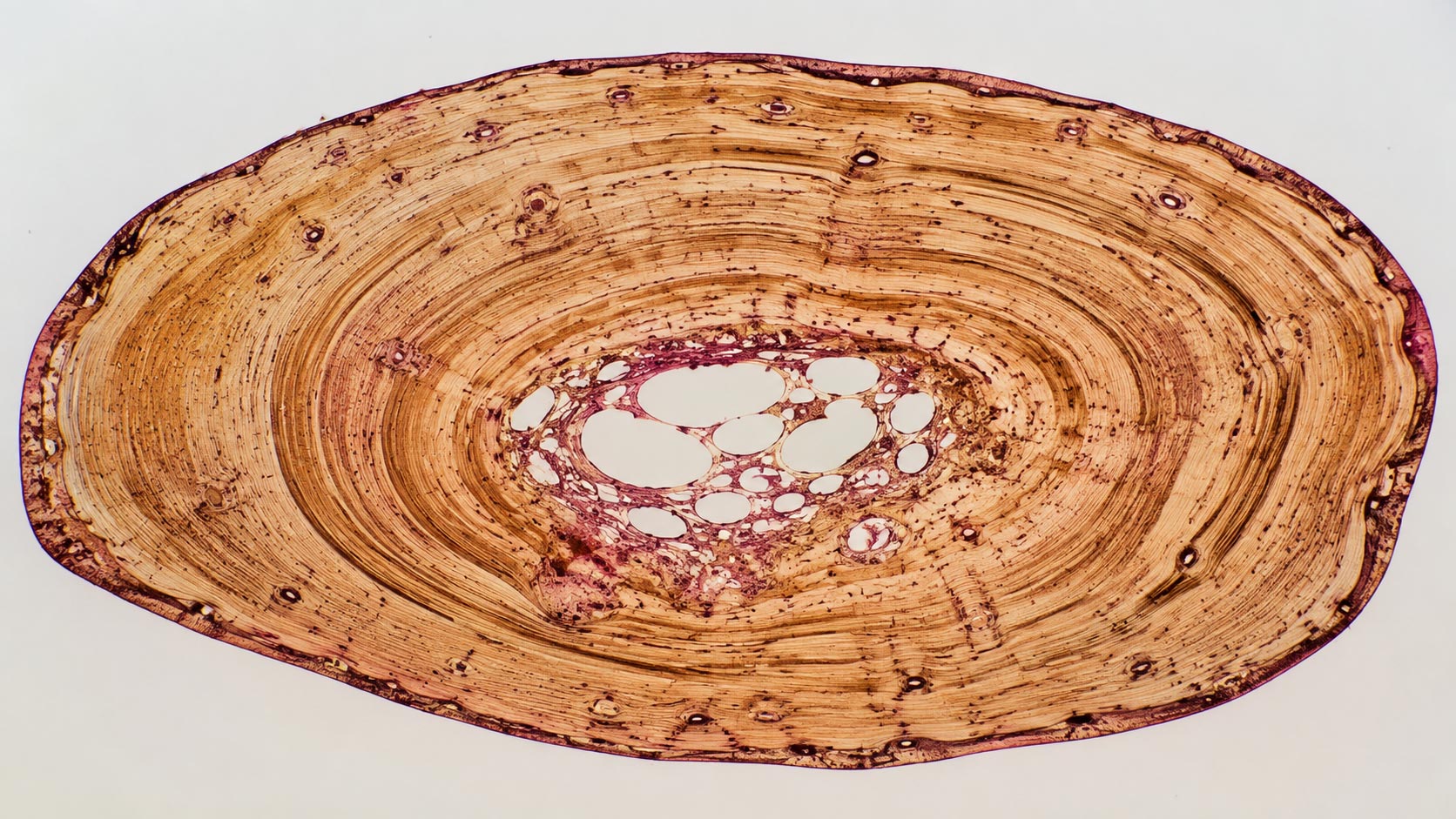
The real method has an intimidating name, skeletochronology, but the idea is simple and rather beautiful. It turns out that a sea turtle’s bones do record growth in layers, much like tree rings. Scientists focus on the humerus, the upper arm bone inside the front flipper. When a thin cross section of that bone is sliced and stained, it reveals a pattern of light and dark bands. The dark, thin lines are called lines of arrested growth, and they mark periods when the turtle’s growth slowed or paused, often once a year. The lighter, wider bands show times of faster growth. By counting those growth lines, researchers can estimate how many years the turtle lived.
There is one big catch, and it is an important one. This method usually requires a bone sample, which typically means it is done on turtles that have already died, often ones found stranded. It is not something anyone can do to a living turtle swimming on the reef. Even for trained specialists, reading the rings accurately is genuinely difficult.
Size Gives a Clue, But Not an Answer
If bones are off the table, what about size? Bigger must mean older, right? Sort of, but it is a rough clue at best. Sea turtles do grow throughout their early lives, so a small turtle is certainly young. The trouble is that growth rates vary enormously depending on food, water temperature, health, and location. Two turtles the same size might be years apart in age, and once a turtle reaches full adult size, its growth slows way down, so size stops helping at all. That is why a giant honu could be thirty years old or far, far older, and nobody can tell just by looking.
Tagging and Photo ID: Watching a Turtle Grow Up
There is one more approach, and it is the most patient of all. Instead of measuring a turtle once, scientists follow the same individual over many years. By tagging turtles and recapturing them later, researchers can measure exactly how much a specific animal has grown between sightings. If a turtle was tagged as a small juvenile, we know a minimum age for it years later. Newer techniques even use photographs, since the unique facial scale patterns on a turtle work a bit like a fingerprint, letting scientists identify the same individual again without touching it. These long term studies are slow, but they are how we learn what a real turtle’s life actually looks like.
How Long Until a Honu Grows Up?
One reason age matters so much is that sea turtles take a remarkably long time to grow up. A green sea turtle does not reach breeding age in a few years like many animals. It takes decades, with Hawaiian green sea turtles generally needing something on the order of twenty five years or more before they are ready to reproduce. Think about that. A honu you see on the reef today might not have offspring until the 2050s. This slow path to maturity, combined with those dangerous early years, is exactly why protecting adult turtles matters so much. Every mature turtle represents decades of survival that cannot be replaced quickly.
Why Age Matters for Conservation
This is not just trivia for scientists. Knowing how old turtles get, how fast they grow, and when they mature tells conservationists how a population is really doing. If researchers know how many years it takes a honu to reach breeding age, they can predict how long a recovering population needs to bounce back, and they can spot trouble early. Age data gathered from stranded turtles, tagging programs, and photo identification all feed into decisions about how to protect these animals. In a real sense, every turtle studied helps the whole species.
What This Means for Snorkelers
Here is the part that makes a turtle encounter a little more magical. When you float above a large honu at a place like Turtle Canyon off Waikiki, you genuinely do not know how old it is, and neither does anyone else. That calm animal gliding beneath you could easily be older than you are. It may have been cruising these reefs since before you were born, surviving decades of storms, predators, and change. Not knowing is part of the wonder. It also makes the case for respect, since keeping your distance protects an animal that took a very long time to become what it is.
Watch: Meet the Sea Turtle
A Mystery Worth Respecting
So how old is that sea turtle? The honest answer is that nobody can say for sure just by looking. You cannot count rings on the shell, size only hints at the truth, and the real method means reading growth lines hidden inside a turtle’s arm bone, usually only possible after it has died. Patient tagging and photo studies fill in the rest, slowly teaching us how these animals grow across decades. What we do know is that a honu takes a very long time to mature and can live far longer than most people guess. The next time a big green sea turtle drifts past you in Hawaii, enjoy the mystery. You may well be sharing the water with an animal that has been swimming these reefs for longer than you have been alive.