How Did Sea Turtles Survive the Dinosaur Extinction?
Overview
Around 66 million years ago, a city-sized asteroid slammed into Earth and changed the planet forever. The impact triggered a mass extinction that wiped out the dinosaurs along with roughly three quarters of all species. And yet, through that fire and darkness, one familiar group of animals quietly made it through. Turtles. While mighty dinosaurs and giant sea monsters disappeared, turtles survived, and some even flourished in the aftermath. It is one of the most remarkable survival stories in the history of life. So how did these slow, gentle reptiles manage to outlast the dinosaurs? This guide explains what happened during the extinction, the clever advantages that carried turtles through it, and how that ancient toughness connects to the honu you can still see in Hawaii today.
The Short Answer: Turtles Are Built to Endure
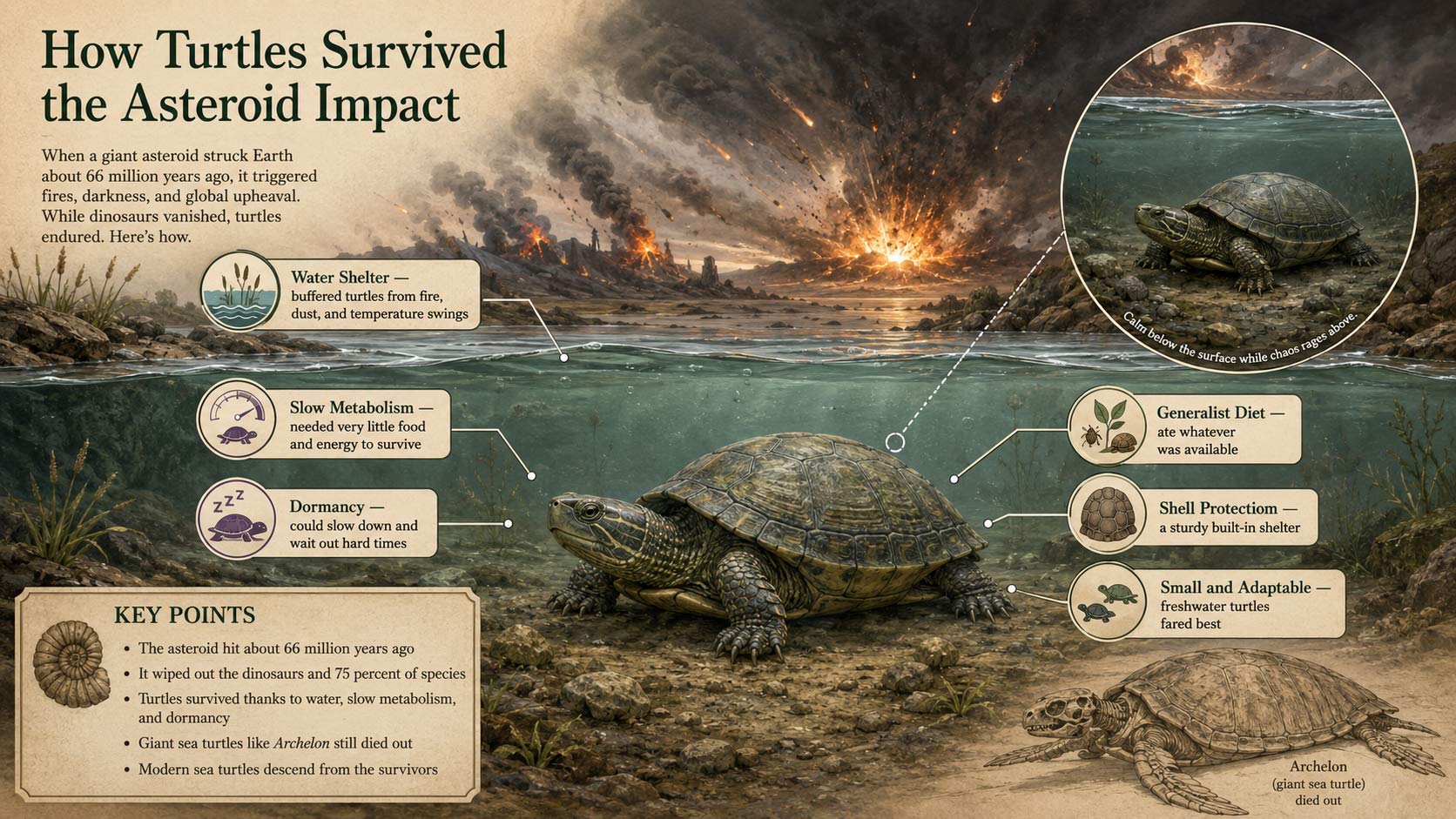
Turtles survived the dinosaur extinction for a few key reasons that all come down to being tough and low maintenance. Many turtles lived in water, which sheltered them from the worst of the disaster on land. They have extremely slow metabolisms, so they need very little food and energy to stay alive. And they can slow their bodies down to a near standstill to wait out hard times. Put those together and you get an animal that could hunker down, ride out the chaos, and keep going when flashier, hungrier creatures could not. Turtles did not survive by being big or fierce. They survived by being patient and efficient.
What Was the Dinosaur Extinction?
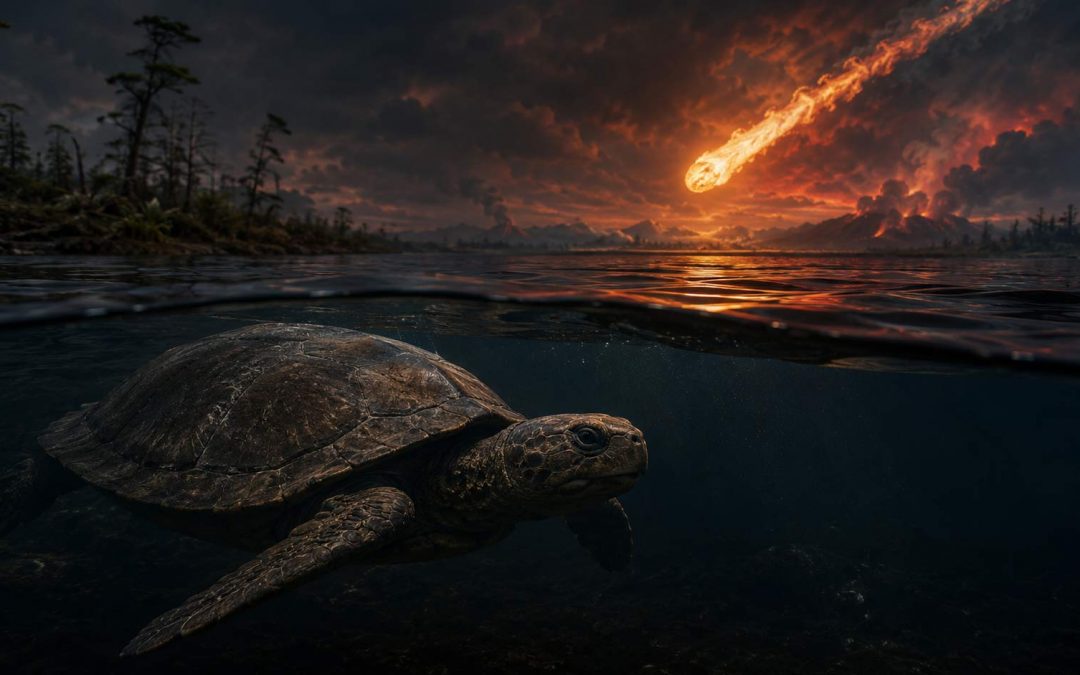
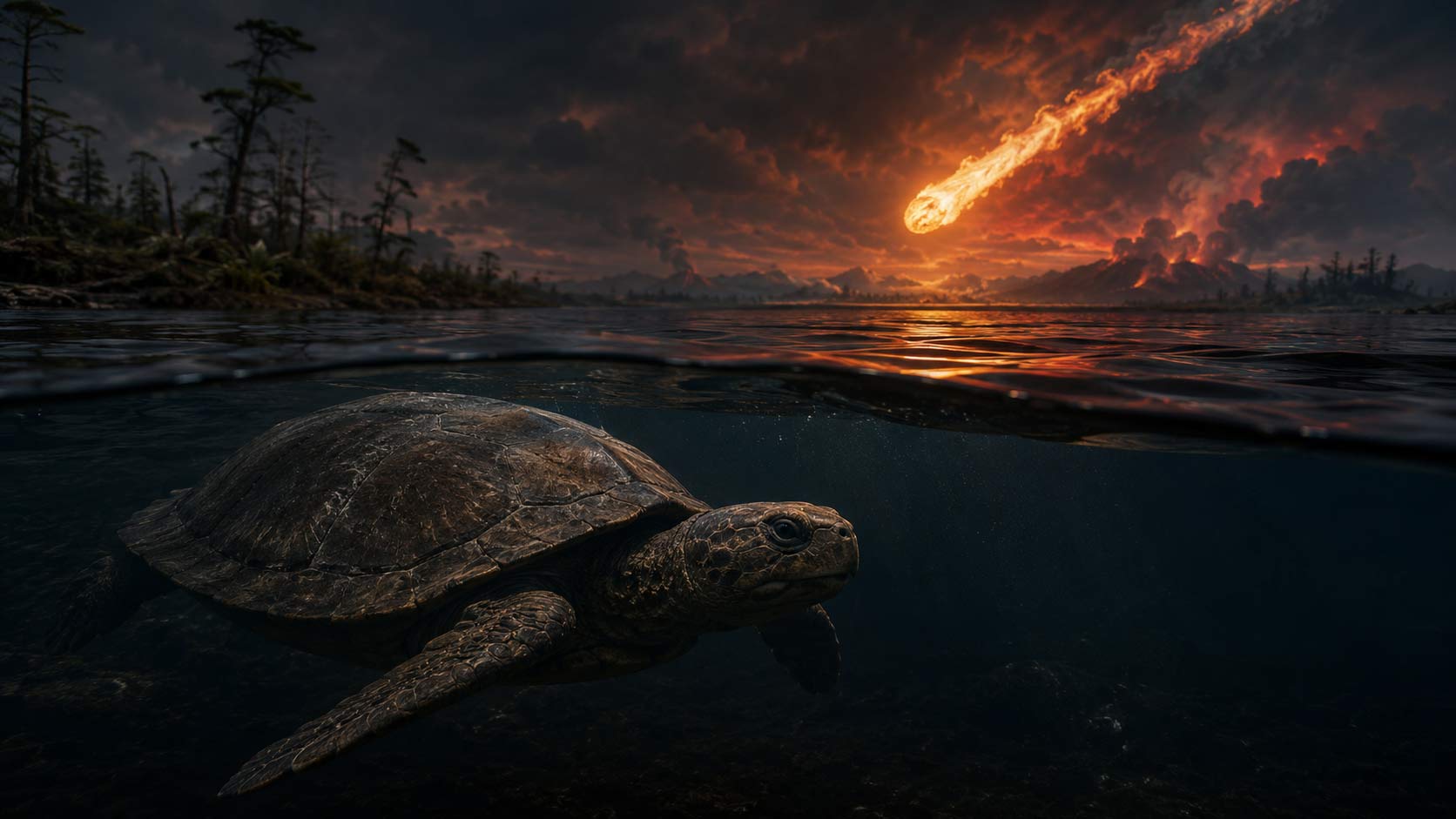
Scientists call it the Cretaceous-Paleogene extinction, or the K-Pg extinction for short. About 66 million years ago, a massive asteroid struck what is now Mexico, unleashing enormous fires, tidal waves, and a cloud of dust and soot that blocked out the sun for a long time. Without sunlight, plants died, food chains collapsed, and temperatures swung wildly. This one-two punch of impact and long, dark winter killed off the non-bird dinosaurs and around 75 percent of all species on Earth. It was one of the largest mass extinctions the planet has ever seen, and it reset the course of life. Yet not everything perished, and turtles were among the notable survivors.
Why Did Turtles Survive?
Turtles came through this catastrophe because of a handful of built-in advantages that happened to be perfect for a world turned upside down. The biggest reasons include:
- Life in the water, which buffered them from the fires, dust, and extreme temperature swings that devastated life on land
- Very slow metabolisms, meaning they needed little food and energy to survive when resources were scarce
- The ability to go dormant, slowing their bodies down to wait out long stretches of hard conditions
- Flexible, generalist diets, so they could eat whatever was available rather than depending on one vanished food source
No single trait saved them. It was the combination that made turtles so hard to kill.
Life in the Water Was a Shelter
One of the turtle’s greatest advantages was simply where it lived. Freshwater ponds, rivers, and coastal waters offered protection from the worst effects of the asteroid impact. Water heats and cools far more slowly than land, so it buffered aquatic animals from the wild temperature swings that battered creatures on the surface. Water also shielded them from the fires and the choking dust. While land-based animals were fully exposed to the disaster, many turtles could stay tucked into their watery world, riding out the chaos in a more stable environment. It is a big reason freshwater turtles in particular sailed through the extinction with surprisingly little trouble.
Slow and Steady: The Power of Low Energy Needs
The turtle’s famously slow pace turned out to be a superpower. Because turtles have such slow metabolisms, their bodies burn very little energy, which means they can survive on scraps for a long time. In the lean, dark years after the impact, when food was desperately scarce, this was everything. An animal that needs to eat constantly, like a large active predator, would starve quickly in a collapsed ecosystem. A turtle, needing only a little, could hang on. Many turtles can also enter a dormant, slowed-down state during tough conditions, dropping their energy needs even further. That ability to essentially wait it out, eating almost nothing, is a huge part of why they made it.
Not Every Turtle Made It
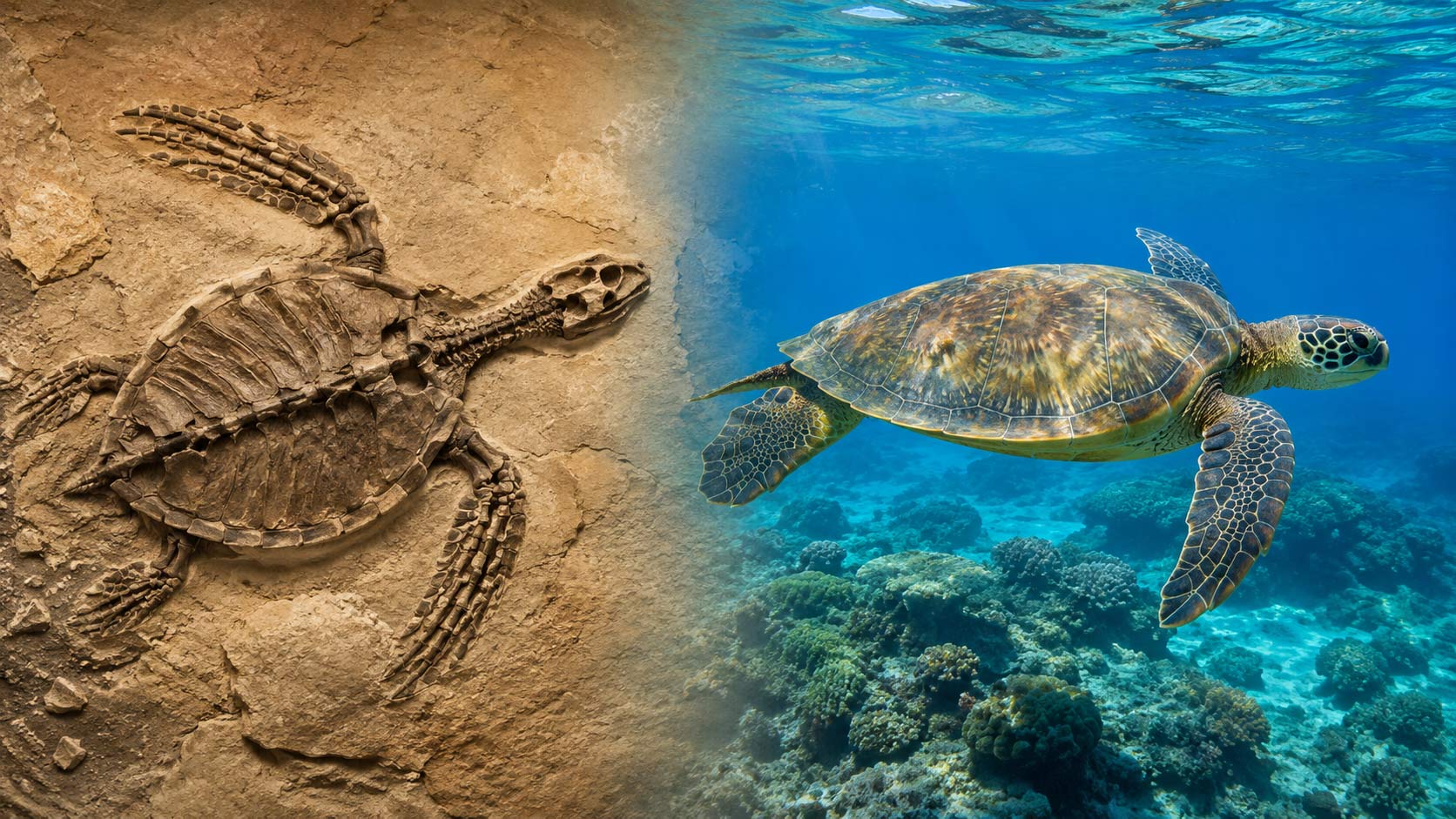
It is worth being honest here. Not every turtle survived, and the extinction did take a toll. The oceans of the age of dinosaurs were home to giant sea turtles like the enormous Archelon, and those true ocean giants disappeared around the end of the Cretaceous along with the great marine reptiles like mosasaurs and plesiosaurs. The turtles that came through best were often the smaller, adaptable, freshwater kinds. So the story is not that every turtle shrugged off the disaster, but that the turtle family as a whole was resilient enough that key lineages survived and carried on. From those survivors, turtles rebounded and eventually gave rise to the sea turtles we know today.
How This Connects to Today’s Honu
Here is the part that gives a modern turtle encounter a little extra awe. The green sea turtle, or honu, that glides past you on a Hawaiian reef belongs to a family that has been on Earth for over 100 million years, a lineage that lived alongside dinosaurs and then outlived them. When you watch a honu drift calmly through the water, you are looking at the descendant of animals that survived one of the worst days in the history of the planet. That deep resilience is part of what makes sea turtles so special, and part of why protecting them matters so much. They have endured almost unimaginable change, and they are still here.
Watch: The Ancient Story of Turtles
The Ultimate Survivors
So how did sea turtles survive the dinosaur extinction? Not through size or strength, but through patience, efficiency, and the shelter of the water. Their slow metabolisms let them live on almost nothing, their watery homes protected them from the worst of the disaster, and their ability to wait out hard times carried them through the long darkness that doomed the dinosaurs. Not every turtle made it, and the ocean giants of the age were lost, but the family endured and bounced back. The next time you meet a honu in Hawaii, remember you are in the presence of one of nature’s ultimate survivors, an ancient traveler whose ancestors watched the dinosaurs disappear and simply kept swimming.