Do Sea Turtles Have Three Eyes?
Overview
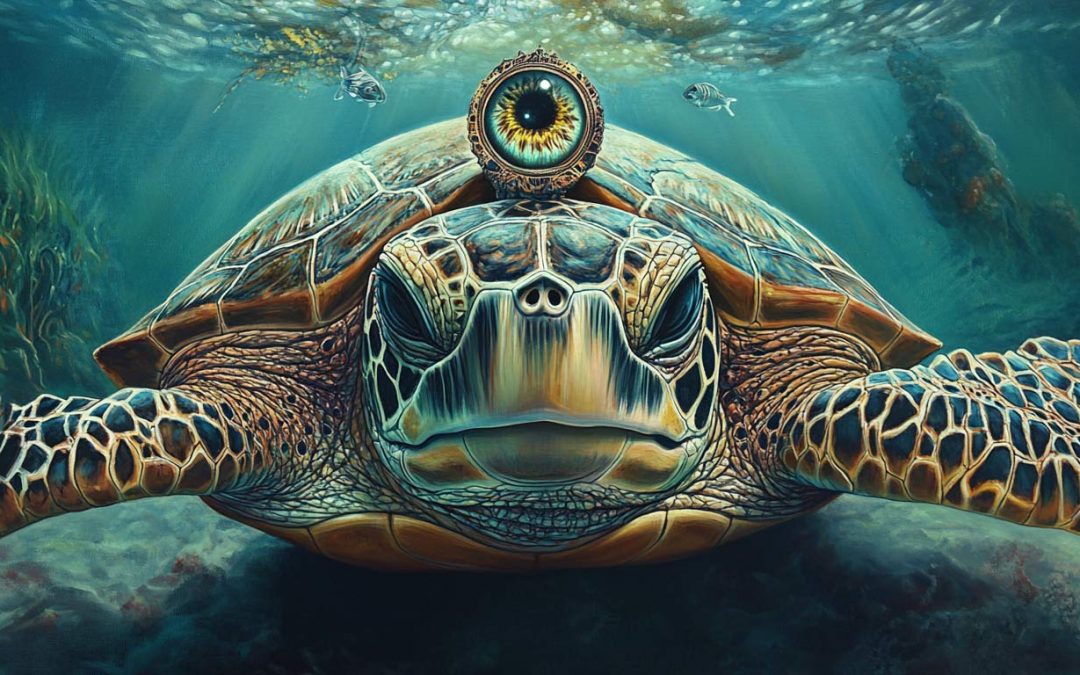
There is a popular myth floating around that sea turtles have three eyes, or even a mysterious third eye. It is a fun idea, but is it true? The short answer is no, sea turtles do not have three eyes. What they do have is three eyelids per eye, and that third eyelid is a genuinely clever piece of natural engineering. This guide clears up the myth, explains what the third eyelid actually does, and explores the other remarkable senses that help a sea turtle rule the ocean.
The Short Answer: Three Eyelids, Not Three Eyes
Sea turtles have two eyes, just like us, but each eye is equipped with three eyelids instead of two. Along with an upper and a lower eyelid, a turtle has a special third eyelid called the nictitating membrane. So the three eyes idea is really a mix-up. It is about three eyelids, and that extra eyelid is one of the turtle’s best tools for life underwater.
What the Third Eyelid Does
The nictitating membrane is a thin, clear third eyelid that sweeps sideways across the eye, almost like a built-in pair of swimming goggles. It protects the eye from saltwater, sand, debris, and harsh light, all without fully blocking the turtle’s vision. That means a sea turtle can keep its eyes shielded and still see clearly as it glides through the water. Here is why it matters so much:
- Protection, shielding the eye from particles, sand, and parasites.
- Visibility, letting the turtle see while staying protected underwater.
- Moisture, keeping the eye from drying out, especially between land and water.
Without this handy adaptation, sea turtles would be far more vulnerable while hunting, migrating, and nesting.
Wait, Do Any Turtles Have a Third Eye?
Here is where the myth gets interesting. Some reptiles and amphibians really do have a light-sensing spot on top of their heads called a parietal eye. It is not a true eye that forms images, but it can detect light and shadow, and it even has a simple lens and retina. Among sea turtles, only the giant leatherback is thought to have something similar, a translucent pink spot on its head sometimes called a skylight. It likely helps the turtle sense light levels and orient itself, not see pictures. So there is a grain of truth behind the third eye idea, just not in the way most people imagine.
A Turtle’s Other Amazing Senses
The third eyelid is only the beginning of a sea turtle’s sensory toolkit. These animals are packed with abilities that seem almost superhuman:
- Magnetic navigation, sensing the Earth’s magnetic field to travel thousands of miles with GPS-like accuracy.
- Low-frequency hearing, picking up the deep rumble of the ocean and distant disturbances, as we cover in can sea turtles hear.
- A powerful sense of smell, which helps hatchlings remember and return to the very beach where they were born.
- Color and even ultraviolet-sensitive vision, especially useful for young turtles finding the brightest path to the sea.
What This Means for the Honu
When you watch a green sea turtle, or honu, cruising a Hawaiian reef, its calm blinking eyes are doing far more than they let on. That clear third eyelid is protecting its sight in the salty water, while a whole suite of hidden senses keeps it oriented and aware. It is a good reminder that these gentle animals are far more sophisticated than they appear, quietly reading a world we can barely perceive.
Watch: Meet the Sea Turtle
Nature’s Built-In Goggles
So do sea turtles have three eyes? No, but they have three eyelids, including a clear nictitating membrane that works like nature’s own swim goggles. Add in magnetic navigation, sharp hearing, an amazing sense of smell, and color vision, and the sea turtle turns out to be one of the ocean’s true sensory marvels. The next time you meet a honu in the water and watch it blink, remember there is a lot more going on behind those wise eyes than three eyes ever could explain.