Are There Sea Turtles in Pearl Harbor?
Overview
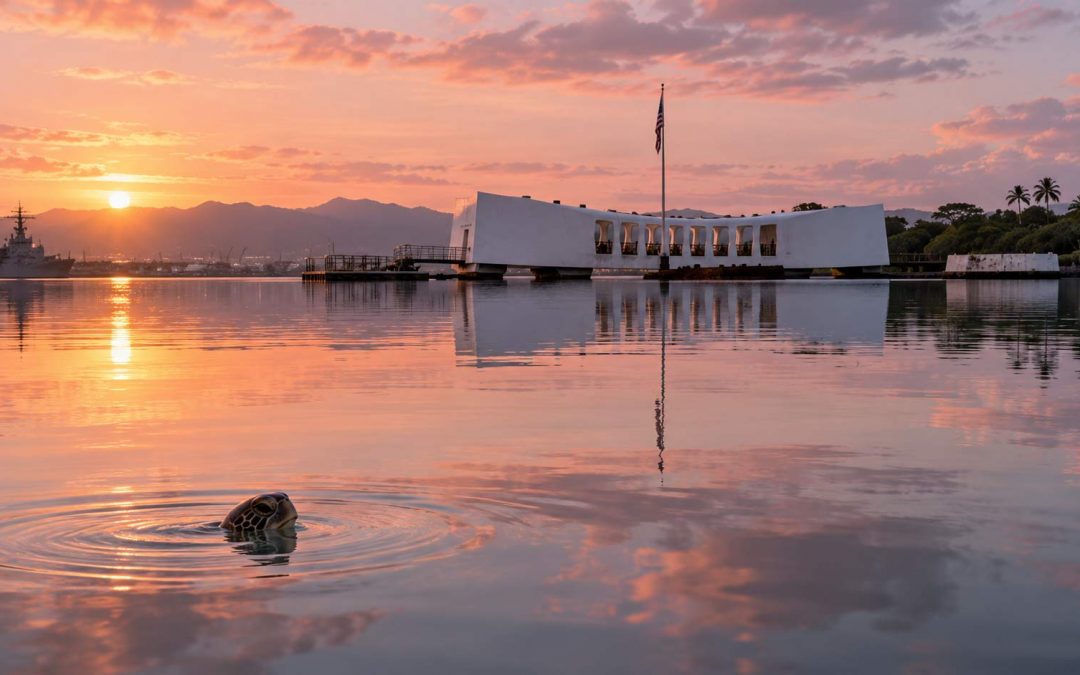
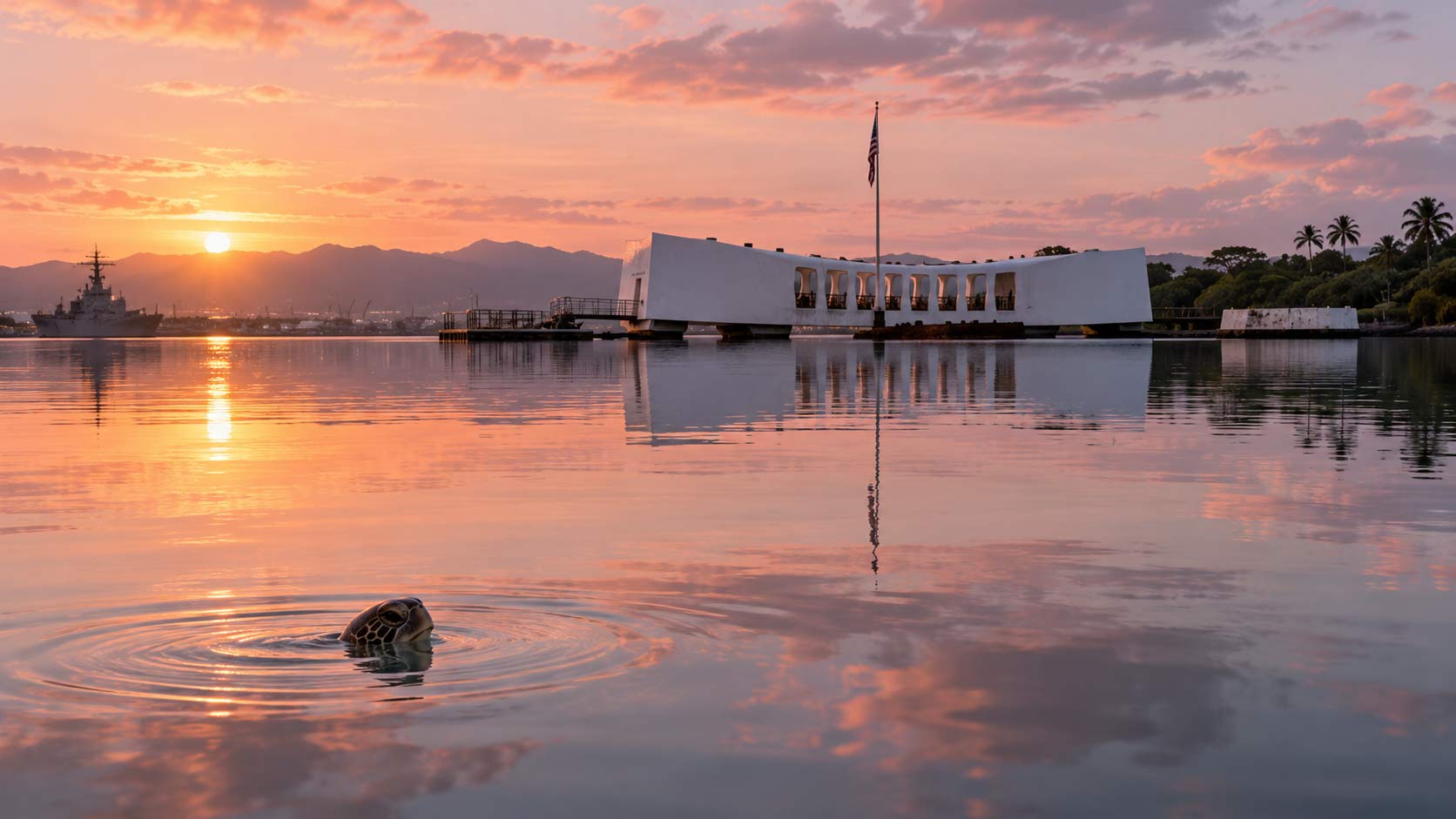
Nobody books a trip to Pearl Harbor to look at animals. You go for the history, you stand at the rail, you get quiet. And then somewhere in the middle of all that, a dark shape rolls at the surface a little way off, and the question arrives whether you wanted it or not. Was that a turtle? It probably was. Pearl Harbor is one of the largest sheltered bodies of water on Oahu, and sheltered water is exactly what a Hawaiian green sea turtle is looking for. The harbor is a working naval base and a memorial, and it is also, quietly, habitat. Those three things sit on top of each other and most visitors only ever hear about one.
The Short Answer
Yes. Honu are seen in Pearl Harbor and in the channel that connects it to the ocean.
No, you cannot go snorkeling there. The harbor is an active military installation and there is no public access to the water, which means turtle sightings are something that happens to you while you are there for other reasons rather than something you can go and do.
So the real answer is a yes with an asterisk. The turtles are genuinely there. Your odds of seeing one are a matter of luck and timing, and nobody should build a day around it.
Puuloa, the Harbor Before It Was Pearl Harbor
It helps to know that this place was a food basket long before it was a naval base. The Hawaiian name is Puuloa, and the lochs of the harbor held one of the richest concentrations of fishponds on the island.
Those fishponds, loko ia, were engineered systems. Walls and sluice gates let small fish in and kept fattened fish from leaving, and generations of families maintained them. The harbor also produced the pearl oysters that eventually gave the place its English name. Traditional accounts describe a guardian shark watching over these waters, and the stories about her are still told.
The point for our purposes is that Puuloa was productive. It was shallow in places, warm, protected, fed by streams and springs, and absolutely full of life. The military harbor was built on top of an ecosystem, not on top of nothing, and parts of that ecosystem are still operating.
Why an Estuary Appeals to a Honu
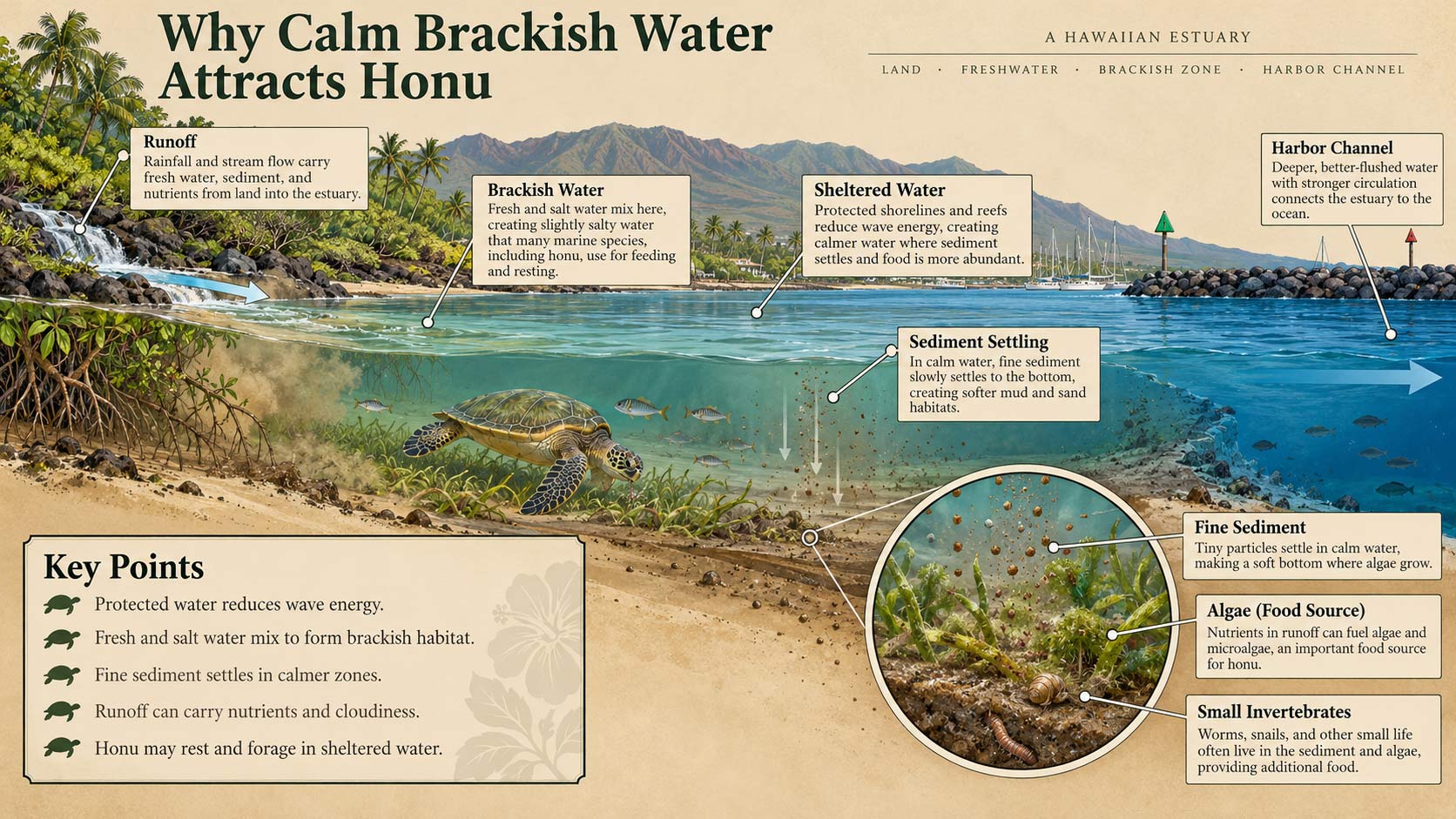
If you designed a place for a green sea turtle to spend a calm afternoon, it would look a lot like the inside of a harbor.
- No surf, so a turtle is not fighting swell or getting knocked around against structure
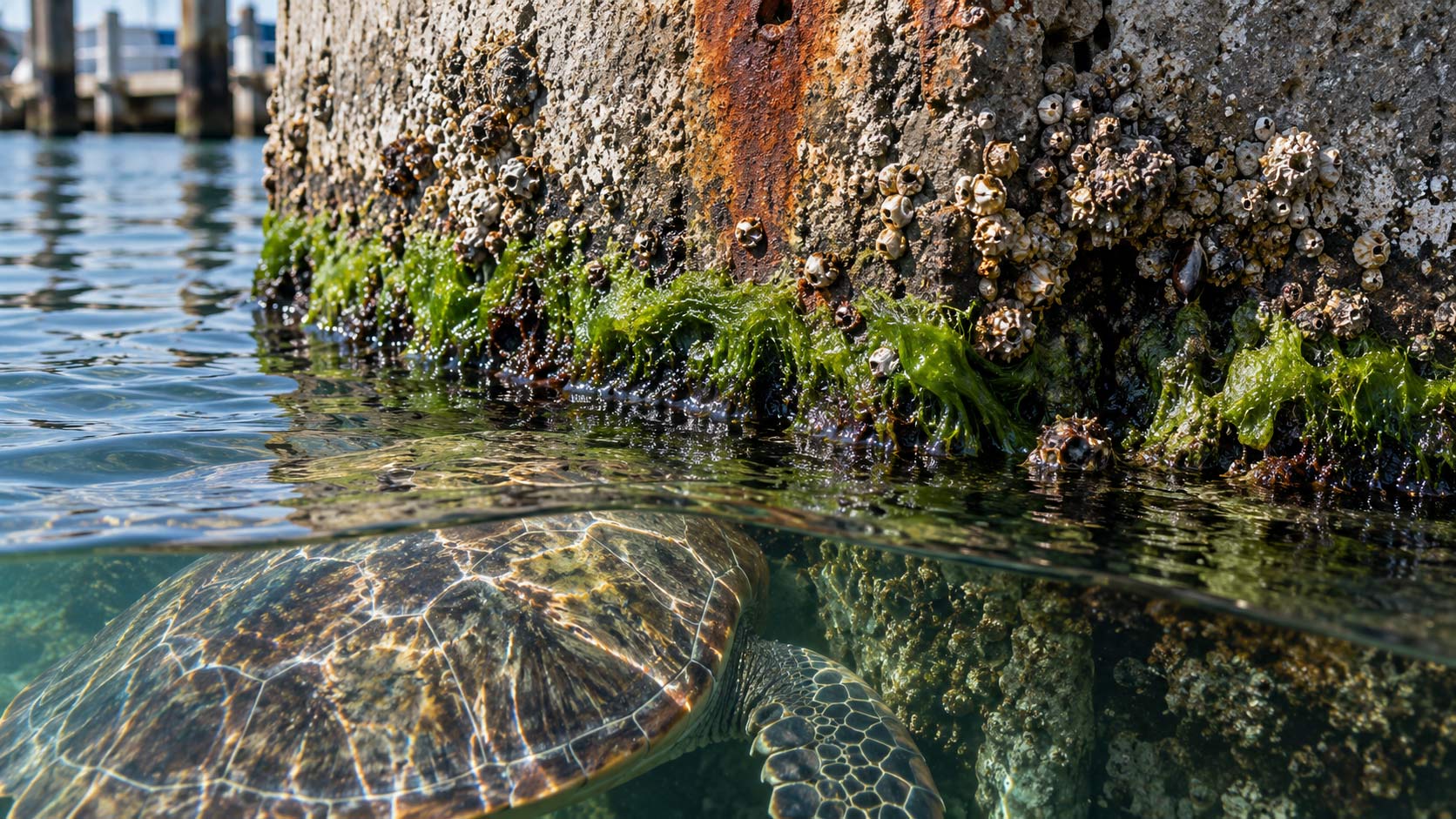
- Hard surfaces everywhere, since pilings, walls, channel markers and hulls all grow algae
- Warm water, because large sheltered bodies of water heat up more than open coastline
- Fresh water mixing in from streams, which creates the brackish conditions that favor certain algae
- Very few predators, since large sharks are far less common inside a harbor than outside it
Adult honu in Hawaii are mostly grazers. They want algae and they want to eat it without being thrown around or hunted. An estuary delivers both. The irony is hard to miss. One of the calmest, most sheltered feeding spots on the south shore of Oahu happens to sit behind a security gate.
Why You Cannot Go Look
This is the part worth being blunt about, because people do ask.
Pearl Harbor is Joint Base Pearl Harbor Hickam. The water inside is controlled, patrolled and closed to the public. You cannot swim in it, snorkel in it, paddle a board on it, or put a kayak in it. There is no permit a visitor applies for. The memorial and the visitor center are open to the public, and the boat shuttle crosses a small portion of the harbor, and that is the extent of your access to that water.
That restriction is also, accidentally, a form of protection. The turtles using the harbor deal with far fewer people in the water than turtles anywhere else on the south shore, because effectively nobody is in the water at all.
Where Visitors Actually Spot Them
Almost every honu sighting at Pearl Harbor happens one of two ways.
The first is from the shuttle out to the memorial. You are over the water, it is usually calm, and a turtle coming up for a breath leaves an obvious little disturbance on a flat surface. Watch the water rather than only the shoreline and you give yourself a chance.
The second is from the shoreline paths and viewing areas around the visitor center, looking into the water close in. Early morning is the better bet for both, simply because the surface is flatter and the light is lower, which makes a surfacing turtle much easier to pick out.
Neither of these is reliable. Treat a sighting as a bonus on a day you were already having.
The Water Quality Question
Here is something the tour does not cover. A century of heavy industrial use leaves a mark on a harbor, and Pearl Harbor carries that history in its sediment.
Decades of shipyard work, fuel handling, dredging and urban runoff have all ended up in the same enclosed basin, and because a harbor flushes slowly, what goes in tends to stay in. Contaminated sediment in parts of the harbor has been a documented concern and the subject of long running federal cleanup work.
There is genuine restoration effort underway too, including work looking at oysters and other filter feeders as a way to improve water clarity and quality, which is a nice echo of what the place used to be known for.
For a turtle, this is a real tradeoff and not a simple story. The habitat is calm, warm and food rich, which is good. The water carries a legacy of contamination, which is not. Researchers care about this because animals that stay in one area, and honu very much do, absorb local conditions over a long time rather than passing through them.
What This Says About Oahu’s Turtles
The bigger lesson in all of this is that honu are far more adaptable than their reputation suggests.
People picture sea turtles in postcard water over bright coral. Plenty of them live there. But green sea turtles also graze algae off harbor walls, rest under docks, and feed in cloudy brackish water next to one of the busiest ports in the Pacific. A species that was in serious trouble fifty years ago is now using urban infrastructure as habitat, and that flexibility is a big part of why the recovery happened at all.
It also means the places we think of as industrial are not biologically empty. The honu never got the memo about which parts of the island were supposed to be for wildlife.
Where to Actually Get in the Water With Honu
Since Pearl Harbor is off the table for swimming, here is the honest redirect.
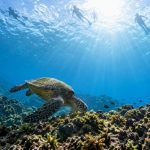
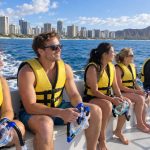
If you want to be in the water with turtles, you want the south shore off Waikiki, where boats run out to a site called Turtle Canyon. It is an underwater canyon where honu gather reliably year round, and guests float at the surface in life jackets looking down at them. Same island, same south shore, same species, and you are actually allowed to be in it.
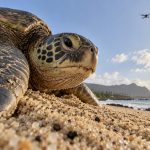
If you would rather stay on land, the North Shore basking beaches are the other option. Turtles haul out on the sand there to rest, there are usually volunteers keeping people at a respectful distance, and you can watch from the beach without getting wet.
Pearl Harbor is for history. The turtles there are a footnote, and a good one, but a footnote.
Two Kinds of Memory in One Harbor
Here is what stays with me about this question. Puuloa fed people for centuries, then became the site of the worst morning in the island’s modern history, and through all of it the water kept doing what water does. Algae grew on whatever was standing in it. Turtles came in out of the swell to eat.
There is something steadying in that. The honu surfacing beside the memorial shuttle is not making a point. It is just an old animal in an old harbor, doing the same thing its ancestors did when the place was lined with fishponds.
If you see one out there, take the moment. Then go find them somewhere you are allowed to swim.