Beyond Oahu: The World’s Most Incredible Places to See Sea Turtles
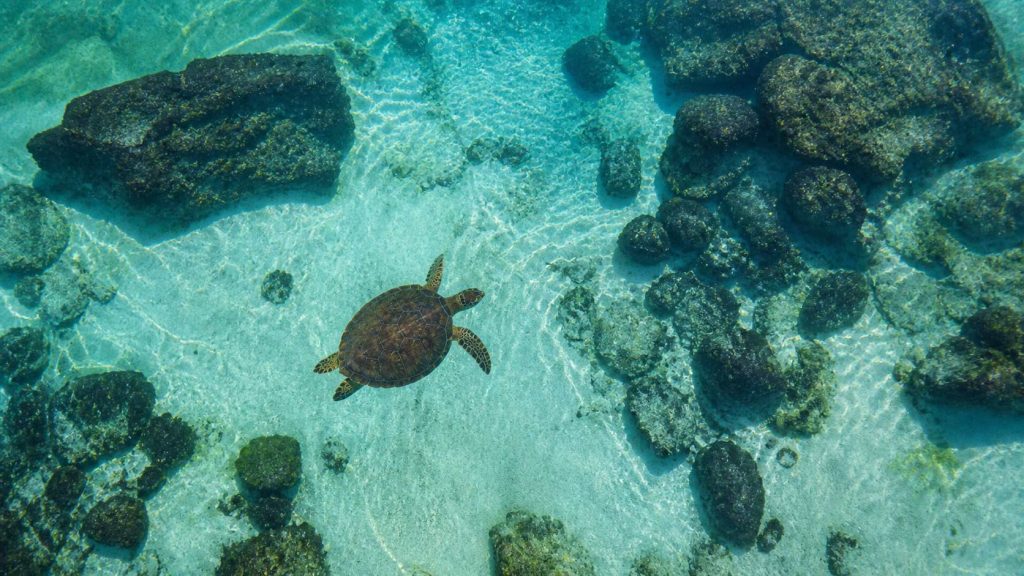
Sea turtles have been crossing the world’s oceans for more than 100 million years. They watched the dinosaurs disappear and kept swimming. Today, seven species divide up nearly every warm ocean on Earth, nesting on beaches from Costa Rica to Oman and feeding on reefs from the Galapagos to Australia. Most guests who join a Turtle Canyon snorkel tour off the coast of Waikiki are surprised to hear just how widespread these animals really are. The green sea turtle known in Hawaii as the honu is part of a much bigger story, one that stretches across every tropical sea on the planet. Here is a look at six of the most extraordinary places in the world where sea turtles gather, nest, and thrive.
Hawaii: The Honu and the Deep Blue
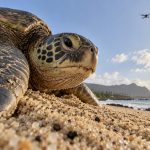
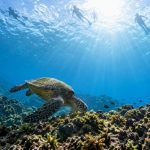
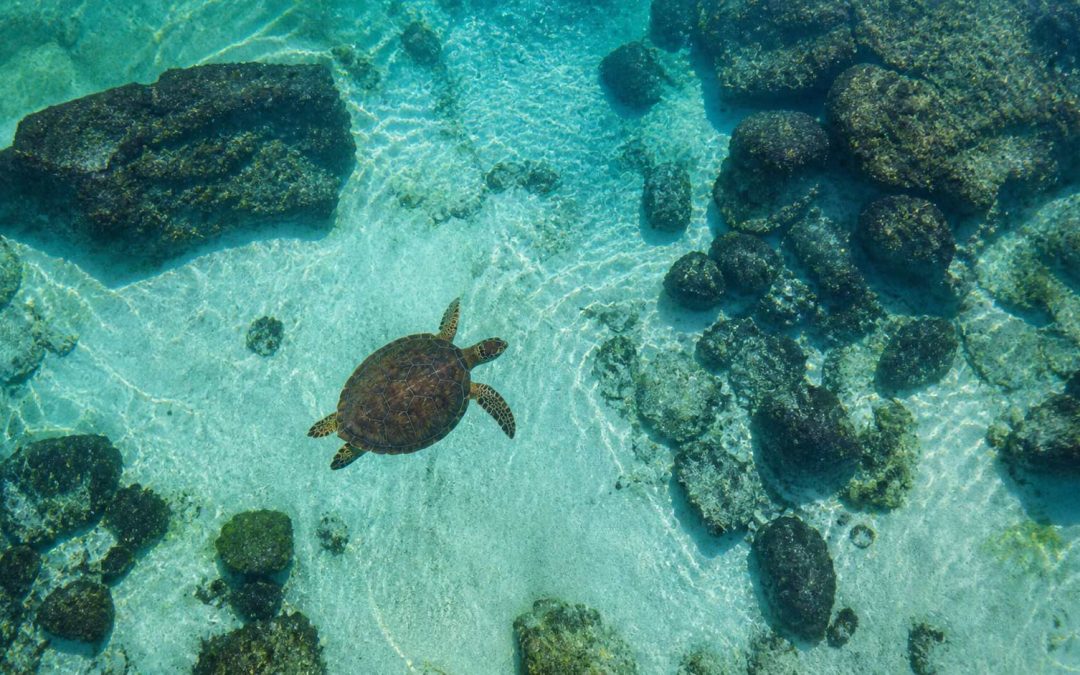
For anyone who has ever snorkeled at Turtle Canyon off the coast of Waikiki, the Hawaiian green sea turtle feels like a permanent resident. And in most ways, it is. Green sea turtles live and forage in warm coastal waters around Oahu all year long. They graze on algae growing across the reef, rest on the ocean floor, and occasionally haul out on sandy beaches along the North Shore to warm in the sun.
The turtles feeding in Hawaiian waters are part of a population that nests primarily at French Frigate Shoals, a remote atoll in the Northwestern Hawaiian Islands more than 500 miles from the reefs they call home the rest of the year. Females make that long migration every two to five years, driven by the same biological impulse that has guided every generation of honu before them, returning to lay eggs on the very beach where they were born.
When you snorkel with a honu at Turtle Canyon, you are meeting an animal that has been part of Hawaii’s ocean for centuries. Hawaiian culture honored these turtles as guardian spirits, and today federal law protects every sea turtle in the state. Staying at least six feet away is required, but that distance does not diminish the experience of watching a three-hundred-pound turtle move through the water with complete ease.
The Galapagos Islands: Ancient Shores and Clear Water
Most people know the Galapagos Islands as the place that shaped Charles Darwin’s thinking on natural selection. What they often miss is that the Galapagos are also one of the best places on Earth to snorkel with sea turtles in exceptionally clear water.
The species you encounter there is the Pacific green sea turtle, a distinct subspecies of the green turtle found in Hawaii. Because the Galapagos have remained largely protected and human presence has been carefully managed over the decades, the marine wildlife there is unusually relaxed around people. Turtles at sites like Los Tuneles on Isabela Island and Gardner Bay on Espanola Island are known to swim close to divers and snorkelers without any sign of alarm. The nesting season runs from December through May, and females can often be spotted in shallow coves before coming ashore after dark.
What makes the Galapagos a different kind of sea turtle experience is the density of wildlife surrounding them. On the same day, you might snorkel with sea turtles in the morning and encounter sea lions, marine iguanas, and reef fish in the afternoon. The same archipelago that holds the Pacific’s most relaxed sea turtles also shelters giant land tortoises in its highlands, a reminder of just how deeply time has shaped every living thing on these volcanic islands.
Costa Rica: The Western Hemisphere’s Greatest Nesting Ground
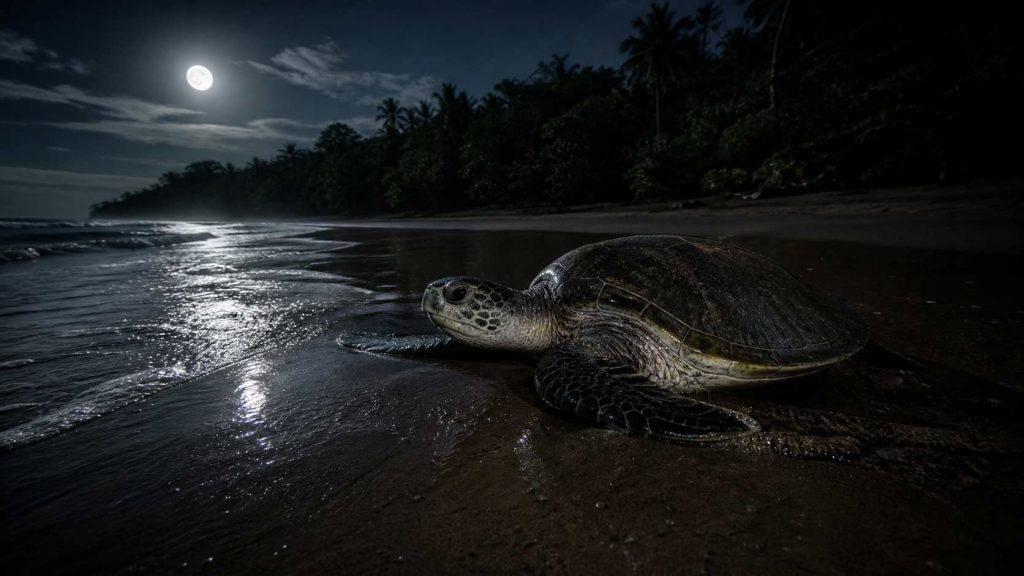
If you ever get the chance to witness thousands of sea turtles arriving on a single beach on the same night, nothing else quite compares. That is what happens during an arribada on Costa Rica’s Pacific coast, a mass nesting event where olive ridley sea turtles pile onto the sand by the tens of thousands within just a few nights of each other.
Tortuguero National Park on the northeastern Caribbean coast holds the largest green turtle rookery in the entire Western Hemisphere. More than 2,000 female green sea turtles return to its dark, narrow beach each year from July through October. Leatherback sea turtles, classified as Dermochelys coriacea and recognized as the world’s largest living sea turtle at up to eight feet long and 1,500 pounds, also nest at Tortuguero during the spring from March through May.
Biologist Archie Carr first documented the scale of nesting at Tortuguero in the 1950s and raised the alarm about how close the population had come to being wiped out by the commercial sea turtle trade. His work directly led to the creation of Tortuguero National Park in 1970, and the recovery that followed stands as one of the great conservation success stories in the Americas. On the Pacific coast, Ostional Wildlife Refuge hosts the world’s largest remaining mass nesting events for olive ridley sea turtles each year from July through December.
- Tortuguero green turtle nesting season: July through October; leatherback season: March through May
- Ostional Wildlife Refuge on the Pacific coast hosts the most dramatic olive ridley mass nesting events on Earth
- Access to both sites requires guided tours to minimize impact on nesting females
The Great Barrier Reef: Six Species, One Living Reef
The Great Barrier Reef off northeastern Australia is the world’s largest coral reef system and the only one visible from space. It is also one of the few places on Earth where six of the seven sea turtle species are known to live and feed at the same time.
Raine Island at the northern end of the reef is the largest remaining green sea turtle nesting site on the planet. During peak nesting season, thousands of female turtles come ashore in a single night. Green turtles in the Great Barrier Reef can live for several decades, growing slowly on a diet of seagrass and algae and returning to the same nesting beach every few years throughout their long lives.
Hawksbill sea turtles, classified as Eretmochelys imbricata, are especially memorable to encounter at the reef. They have a distinctive narrow beak designed to pull sponges out of coral crevices, and they are critically important to reef health because the sponges they eat would otherwise smother and overgrow the coral structure. A reef without hawksbills is a fundamentally different reef, and a weaker one.
Oman: Where the Indian Ocean Meets the Desert Shore
Most people would not think to look for sea turtles on the Arabian Peninsula. But the Sultanate of Oman is home to one of the most significant green sea turtle nesting sites in the entire Indian Ocean, and it has been carefully protected for decades.
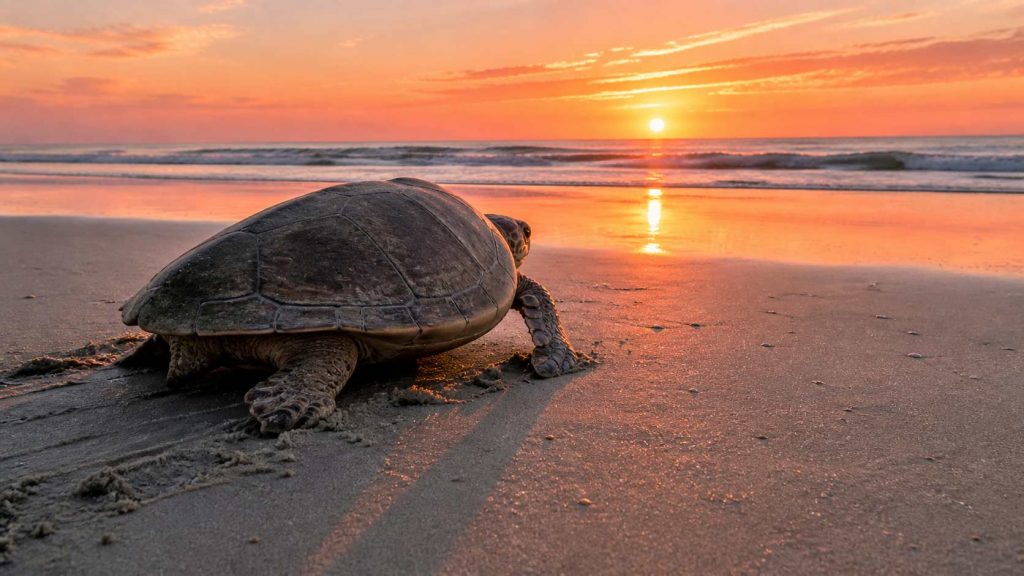
Ras Al Jinz Turtle Reserve sits at the easternmost tip of the Arabian Peninsula. Up to 20,000 green sea turtles nest there each year, making it one of the most important nesting grounds in the Indian Ocean. The reserve runs guided nighttime tours that take small groups to the beach to watch females come ashore under carefully dimmed lights. The best months to visit are May through September, when nesting activity is at its peak. Guests routinely leave having watched an animal that may weigh 400 pounds dig a nest with her rear flippers, deposit more than 100 eggs, fill the hole back in, and slowly return to the dark ocean.
The presence of such a large nesting population in Oman says something important about sea turtles as a species. They are not creatures of one region or one ocean. They have established footholds on beaches all over the world wherever the sand is warm, the water is accessible, and conditions have been safe enough for the ritual to continue across generations.
Florida: Loggerheads and the Coast They Built
Along Florida’s Atlantic coast, the Archie Carr National Wildlife Refuge protects the single most important stretch of loggerhead sea turtle nesting habitat in the Western Hemisphere. Named after the same pioneering conservationist who first documented the green turtle rookery at Tortuguero, the refuge spans roughly 20 miles of Florida’s Atlantic coast and contains approximately one-quarter of all loggerhead sea turtle nests in the entire Western Hemisphere.
Green sea turtles also use Florida’s beaches during nesting season, and leatherbacks visit the coast in spring. Florida’s nesting season runs from May through October, and many coastal communities manage outdoor lighting regulations during those months so that artificial light does not pull hatchlings inland instead of toward the ocean. A single streetlight or porch light can redirect a baby turtle toward the road instead of the water.
The loggerhead is the largest hard-shelled sea turtle in the world, with some individuals reaching three and a half feet in length and more than 350 pounds. They are powerful, long-distance swimmers, sometimes crossing entire ocean basins between feeding grounds and nesting beaches. Florida’s coastline is where that long journey ends each season and where the next generation quietly begins.
What All Six Places Share
None of these destinations became great sea turtle places by accident. Costa Rica created Tortuguero National Park in 1970. Australia actively monitors and protects Raine Island with ongoing conservation programs. Oman built an entire managed reserve around its nesting beach at Ras Al Jinz. In Hawaii, decades of federal protection have helped the honu population recover on reefs that were once in much worse shape. The pattern is the same in every location: sea turtles survive where people choose to protect them.
Every species faces serious pressure from fishing bycatch, ocean plastic, coastal development, and warming ocean temperatures that shift the ratio of male to female hatchlings. Every place on this list has had to push back against those pressures through active conservation work, public education, and legal protection. The turtles that glide past you at Turtle Canyon in Waikiki are alive today because that work happened and because it is still ongoing.
Every Warm Ocean, One Ancient Animal
From the volcanic shores of the Galapagos to the moonlit sand of Oman, sea turtles have made a home in every warm ocean on Earth. They are extraordinary survivors, ancient by almost any measure, and still navigating the same routes they have traveled for millions of years. If Oahu’s Turtle Canyon is on your travel list, you are about to meet an animal that belongs to the entire world. And if you have never snorkeled with a honu up close, there has never been a better reason to start.