Are You Stressing Out the Sea Turtles? What Snorkelers Should Know in 2026
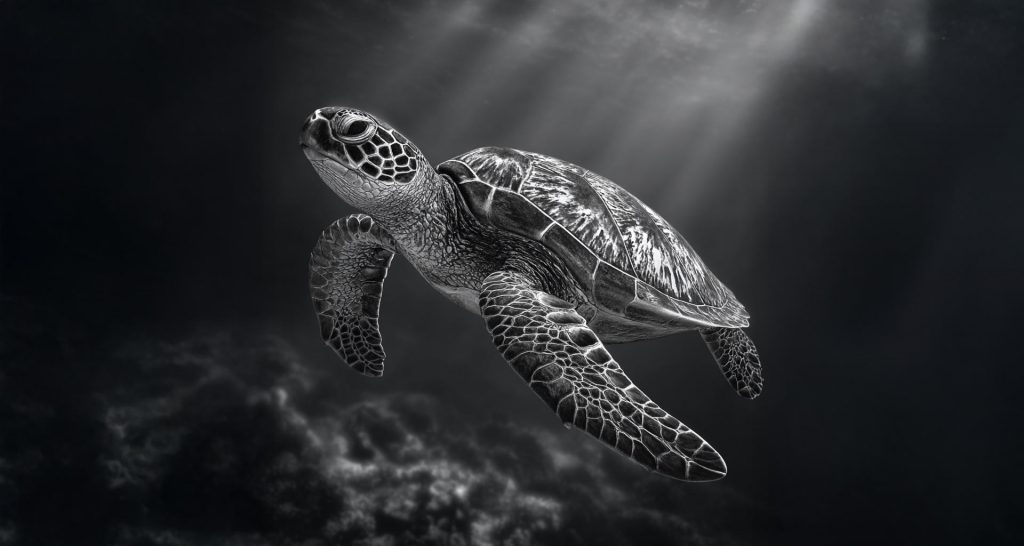
They Look Calm, But Are They? The Hidden Stress of Hawaii’s Honu
When you spot a Hawaiian green sea turtle drifting through the reef, it is easy to assume everything is fine. They move slowly, they seem unbothered, and they have been swimming these waters long before any of us showed up with snorkel gear. But looks can be deceiving. Scientists have been studying whether sea turtles feel stress, and what they have found should matter to anyone planning a snorkel trip to Oahu in 2026.
Overview
Sea turtles do experience stress, and it works a lot like it does in other animals. Their bodies release stress hormones when something threatens or disturbs them. When that stress is short-lived, it is usually not a problem. But when it becomes a regular occurrence, it can wear down their immune systems, affect their ability to reproduce, and make them more vulnerable to disease. For honu living near popular snorkel spots like Turtle Canyon off the coast of Waikiki, human activity is one of the biggest sources of that stress. Understanding this is the first step toward being a better ocean guest.
What Stress Actually Looks Like in a Sea Turtle
Sea turtles do not cry or pace around the way stressed humans or mammals might. Their stress responses happen on the inside, driven by a hormone called corticosterone. This is similar to cortisol in humans, the same chemical your body pumps out when you are nervous, scared, or overwhelmed.
When a turtle senses a threat, its corticosterone levels rise quickly. This is called an acute stress response, and it is actually a useful survival tool. The hormone triggers a burst of energy that can help a turtle swim away from a predator or dive faster to escape danger. In small doses, this response is healthy and normal.
The problem starts when the stress never really goes away. Chronic stress, meaning stress that happens again and again over time, keeps corticosterone levels elevated for long periods. When that happens, the body starts to pay a price. Here is what researchers have linked to chronic stress in sea turtles:
- Weakened immune function, making turtles more likely to get sick
- Reduced reproductive success, including fewer nesting attempts
- Disrupted feeding behavior, which affects their weight and energy
- Slower healing from injuries like boat strikes or fishing line wounds
- Increased vulnerability to diseases like fibropapillomatosis
What This Has to Do With Snorkeling at Turtle Canyon
Turtle Canyon is one of the most visited snorkel sites on Oahu. Dozens of boats and hundreds of swimmers pass through the area each day during peak tourism season. For the honu that call this reef home, that is a lot of daily disruption.
Research on sea turtle stress responses has shown that boat traffic, swimmer approaches, and noise disturbance can all trigger measurable spikes in corticosterone. One turtle might experience several of these events in a single morning. Over weeks and months, that adds up.
Studies have found that turtles in heavily visited areas can have higher baseline stress hormone levels than turtles in more remote, undisturbed locations. In other words, the turtles that encounter the most tourists may already be operating at a higher level of background stress before any single swimmer even enters the water.
Acute Stress vs. Chronic Stress: Why the Difference Matters
Think of it this way. If a turtle sees a snorkeler once and swims away, that is an acute stress event. The turtle’s cortisone levels rise briefly and then return to normal. No lasting harm done.
But if that same turtle deals with curious swimmers crowding around it every single day, that is a very different story. The body never fully resets. The stress becomes a constant low hum rather than a brief alarm bell.
Scientists describe this as the difference between:
- Acute stress: Short, sharp, and the body recovers quickly
- Chronic stress: Ongoing, repeated, and eventually damaging to health
For honu living near popular tourism corridors like Turtle Canyon, the risk of chronic stress is real. This is especially true during the busiest tourism months, when visitor volume is at its peak.
How Visitor Behavior Affects Honu Health
Not all snorkeling encounters are equal. Research and field observation point to several specific behaviors that are more likely to cause stress in sea turtles:
- Swimming directly toward a turtle or cutting off its path
- Getting too close, especially to the face or flippers
- Touching or attempting to ride a turtle
- Loud splashing or sudden movements near the animal
- Blocking a turtle’s route to the surface to breathe
- Following a turtle after it has already moved away from you
On the other hand, passive observation from a distance tends to produce far less stress. Turtles that are simply watched from several feet away, without being approached or cornered, show much calmer behavioral patterns. They continue feeding, resting, and going about their day as if you are not even there.
This is great news, because it means the way you choose to act in the water makes a real difference.
What the 2026 Visitor Picture Looks Like
Oahu’s snorkel tourism has continued to grow, and Turtle Canyon remains one of the most popular marine wildlife destinations in the state. With that comes increased pressure on the animals that live there year-round.
Wildlife managers and tour operators have been working to address this. Many responsible tour companies now brief guests before entering the water with guidelines on how to interact with turtles. Some have adopted voluntary limits on how many swimmers can be in the water at one time near a turtle.
Hawaii state law already prohibits touching, harassing, or altering the behavior of Hawaiian green sea turtles, which are protected under both the Endangered Species Act and the Marine Turtle Protection Act. But stress caused by proximity and repeated disturbance is harder to regulate than a direct touch. It comes down to individual behavior and personal choices in the water.
Simple Ways Snorkelers Can Help
The good news is that being a low-stress presence for honu does not require much. Here are some easy habits to carry into the water:
- Keep at least six feet of distance from any turtle you encounter
- Do not chase or follow a turtle if it swims away from you
- Stay calm and move slowly, avoid splashing or kicking near the animal
- Never block a turtle’s path to the surface
- If a turtle approaches you on its own, hold still and enjoy the moment without reaching out
- Follow the guidance of your tour operator at all times
These habits protect the turtles and, honestly, they also lead to better wildlife encounters. A calm snorkeler who waits patiently is far more likely to have a long, close, natural interaction with a turtle than someone who charges toward one.
Where the Research Is Headed
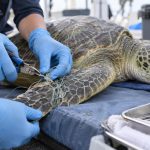
Scientists are continuing to study stress physiology in sea turtles, and the findings coming out of Hawaii are helping shape how marine wildlife tourism is managed across the world. Researchers are looking at how to measure corticosterone levels through blood draws from wild turtles without causing additional stress during the sampling process. They are also building longer-term data sets that track individual turtles over many years to understand how cumulative human contact affects lifetime health outcomes.
One area of particular focus is Turtle Canyon itself. Because it is such a consistent and well-documented snorkel site, it offers researchers a rare opportunity to study how turtle health shifts alongside changes in visitor volume. If visitor numbers drop during a slow tourism year, do stress markers in local turtles drop too? That kind of data could help make the case for stronger visitor management policies at busy marine sites.
Your Visit Can Be Part of the Solution
The Story Beneath the Surface
Sea turtles have been swimming the Pacific Ocean for more than 100 million years. They outlasted the dinosaurs. They navigated ice ages and shifting coastlines. The honu that glide through Turtle Canyon today are part of a lineage that goes back further than we can really imagine.
But they are not invincible. They are living animals with real physiological limits, and the stress of sharing their reef with hundreds of daily visitors is a modern challenge they were not built to handle on their own.
The encouraging part is that this is a problem people can genuinely help solve. Not by staying out of the ocean, but by going in with awareness and respect. When you understand that a sea turtle can feel the same kind of stress you feel in a crowded elevator, everything about how you move through their world changes.
Turtle Canyon is a gift. So are the ancient, graceful animals that live there. How we treat them while we visit says a lot about who we are as ocean guests in 2026.