Where Do Hawaii Green Sea Turtles Lay Their Eggs?
Overview
Hawaii’s green sea turtles, or honu, have a remarkable lifecycle, and a big part of it centers on nesting. These turtles can live for decades and travel hundreds of miles to lay their eggs on the very beaches where they were born. But where exactly do Hawaii’s honu nest? This guide covers when and where they lay their eggs, how to recognize a nesting site, and why it is so important to leave them undisturbed.
What Time of Year Do Green Sea Turtles Lay Eggs?
Green sea turtles nest in the warm summer months. In Hawaii, nesting usually begins in May and runs through October. During this window, females return to their home beaches, dig deep nests with their strong flippers, lay around 100 to 120 eggs, cover them with sand, and head back to sea. The eggs then incubate in the warm sand for about two months. For more on the yearly cycle, see our guide to the Hawaii sea turtle nesting season.
When Do the Eggs Hatch?
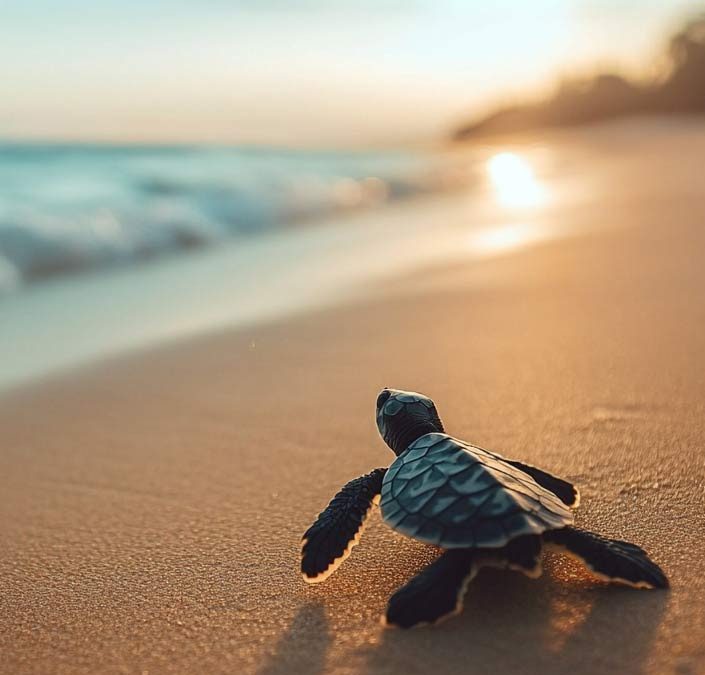
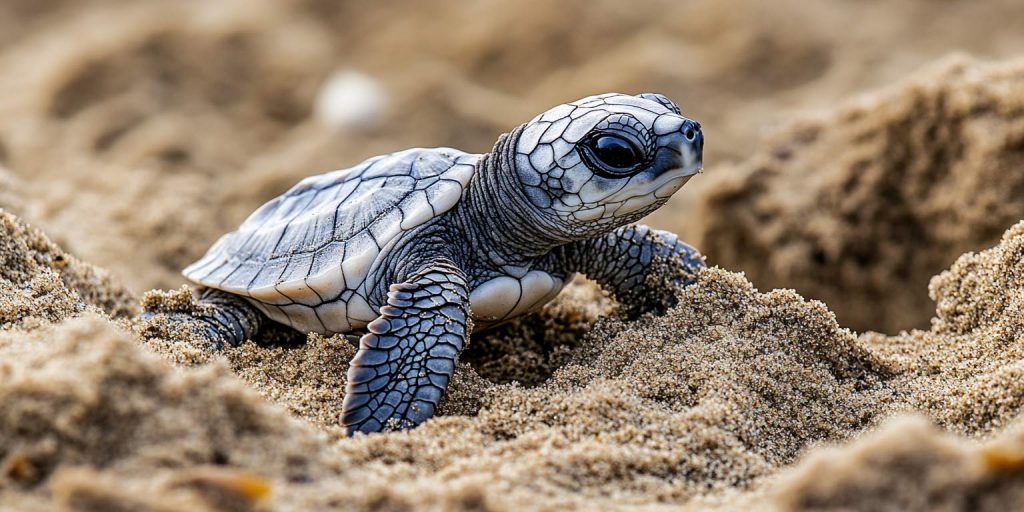
The hatchlings emerge roughly from July through December, depending on when the eggs were laid. Hatching happens mostly at night to avoid predators and the heat of the day. The tiny turtles then race toward the natural light of the horizon over the water, running a gauntlet of birds and crabs. It is a dangerous journey, and only about one in a thousand survives to adulthood.
How Do You Know Where Sea Turtles Lay Eggs?
Nesting sites can be hard to spot because turtles hide their nests, but a few signs give them away:
- Tracks in the sand that look like wide tire marks left by the turtle’s flippers.
- Disturbed patches of sand where the female dug her nest.
- Occasionally, a turtle actually laying her eggs, if you are lucky and patient.
These sites are often in remote or protected areas where visitors are asked to watch from a safe distance without disturbing the turtles or their nests.
Is It Illegal to Disturb Them?
Yes. Green sea turtles are a threatened species protected under the Endangered Species Act, and it is illegal to touch, harass, or interfere with them or their nests in Hawaii. Penalties can include heavy fines. These laws exist because turtles face many threats, from predators to climate change, and protecting nests helps the whole species survive.
Where Hawaii’s Green Sea Turtles Nest
The vast majority of Hawaii’s green sea turtles nest far from the main islands, on the remote sands of the Northwestern Hawaiian Islands. Known nesting locations include:
- East Island in the French Frigate Shoals, the single most important site
- Tern Island in the Northwestern Hawaiian Islands
- Laniakea Beach, also called Turtle Beach, on Oahu
- Punalu’u Black Sand Beach on the Big Island
- Kiholo Bay on the Big Island
- Kaupoa Beach on Molokai
What This Means for Visitors
You are unlikely to stumble on a nesting turtle on a busy Oahu beach, but if you ever see one, a fresh nest, or hatchlings heading for the water, keep your distance, keep lights off, and never interfere. Every honu you see snorkeling off Oahu survived incredible odds that began on a distant beach, which makes protecting these nesting grounds so important.
Watch: A Turtle Mother Lays Her Eggs
Protecting the Future of the Honu
Hawaii’s green sea turtles are a key part of the islands’ ecosystem, and their future depends on safe, undisturbed nesting beaches. By understanding where they lay their eggs and why those remote sands matter so much, we can all do our part to protect them. Whether you are visiting Hawaii or simply cheering the honu on from afar, respecting these turtles and their nests helps ensure new hatchlings keep racing to the sea for generations to come.