
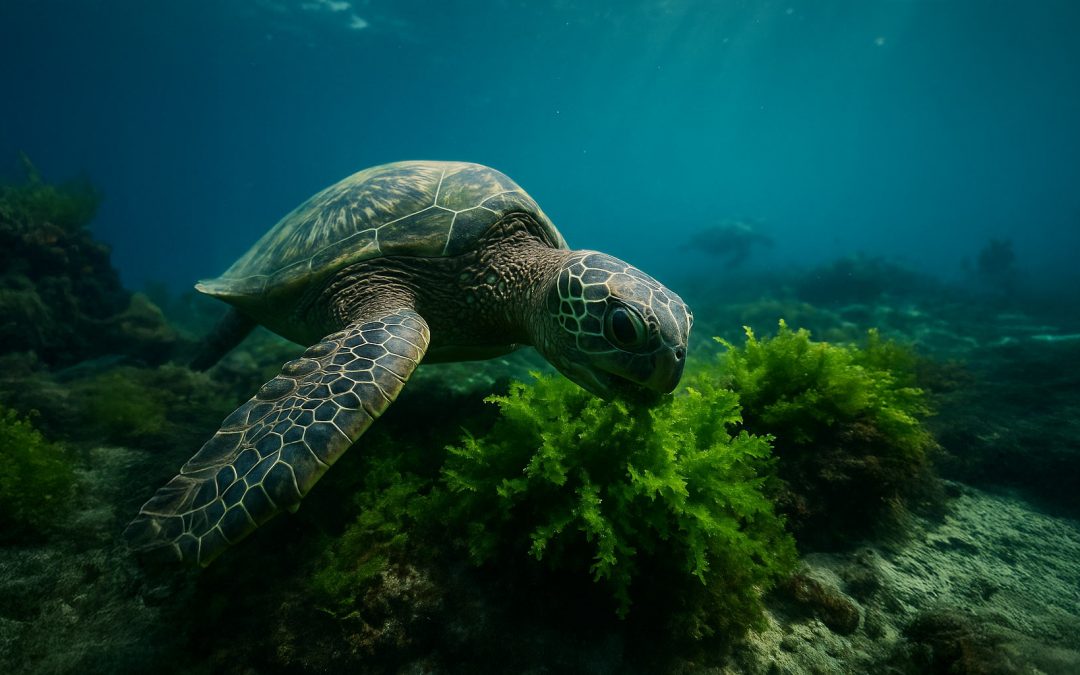
What makes an Oahu green sea turtle green?
Short Answer: Yes. Green sea turtles are “green on the inside” because their body fat has a natural greenish tint. This color comes from the pigments in the algae and sea grasses they eat, which build up in their fat over time and give the species its name.
Green sea turtles are known for their graceful moves through clear blue water, yet the mystery of their name has nothing to do with the shade of their shell. The truth is inside their bodies, where their fat carries a natural green tint. This color comes from the foods they eat and the way their body breaks those foods down. Visitors who join Turtles and You learn these facts from close and safe encounters that focus on education and care for the animals. Many people assume the name comes from the outer shell, but one look at the science shows that what happens inside the turtle is far more interesting. These turtles do not start life with green fat. Instead, the color builds little by little as they grow, change their diet, and shift from eating small ocean animals to eating more plants. It is a slow process shaped by time and food rather than anything genetic or linked to a natural pigment in the shell. Understanding this helps visitors appreciate the turtle not only for its beauty but also for the way its body reflects its lifestyle.
<iframe width="100%" height="420" src="https://www.youtube.com/embed/2R-wC2z3XPQ?si=s1geq2bEFz7DC8GP&start=50" title="YouTube video player" frameborder="0" allow="accelerometer; autoplay; clipboard-write; encrypted-media; gyroscope; picture-in-picture; web-share" referrerpolicy="strict-origin-when-cross-origin" allowfullscreen></iframe>Turtles and You teaches guests that the green tint is tied to the turtle’s adult menu, which is filled with sea grasses and algae. These plants release natural pigments into the turtle’s system. Over time the turtle’s fat begins to store these pigments until the tint turns noticeable. This process shapes the answer to the first question many guests ask. What makes a green sea turtle green? It is not magic or myth. It is the steady eating of pigment rich plants that leave traces inside the body. This shift happens when the turtle becomes a juvenile or an adult. During these stages the turtle eats mostly plants instead of small animals. People often ask if the fat inside the turtle is really green. Turtles and You explains that yes, this is true. The fat is not bright like a neon light, but it carries a gentle olive or greenish tone. It is a natural sign of a healthy plant based diet. Scientists have studied this for years, and they all agree that diet shapes the color far more than anything else.
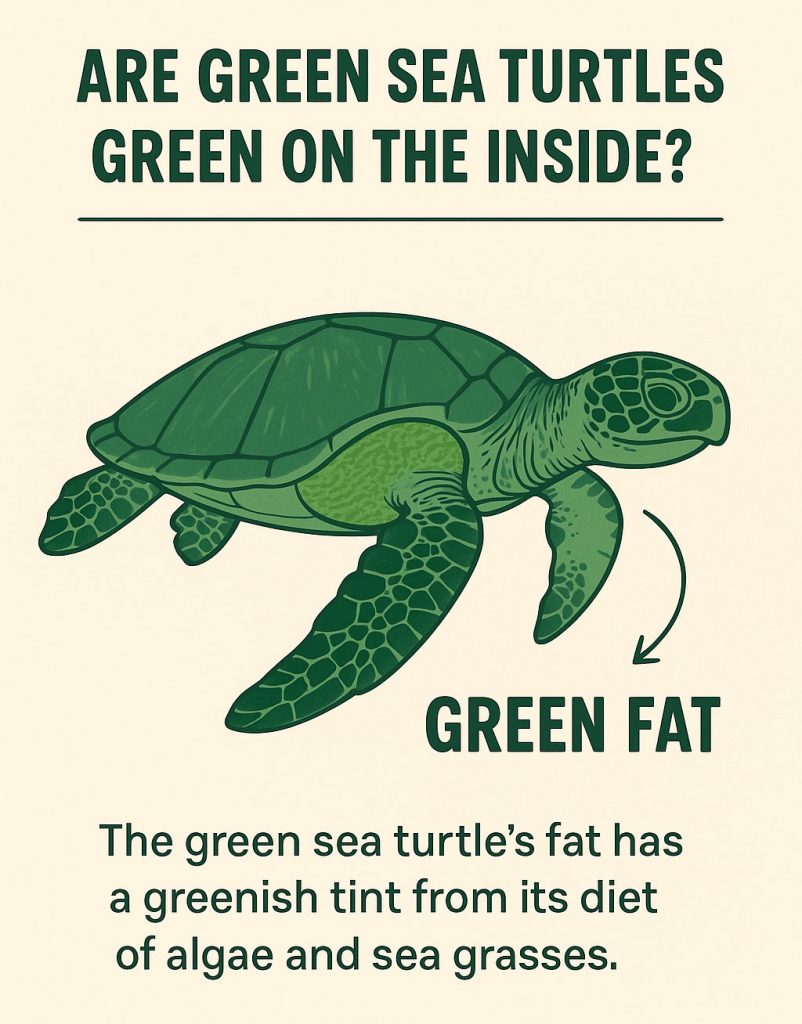
The program at Turtles and You highlights each part of this story. Guests learn not only what the turtles eat but also why these foods matter. Sea grass beds and algae filled coves create the perfect garden for adult turtles. These areas give them steady meals and safe places to rest. Over time the pigments from the plants collect in the turtle’s fat and create the color that gave the species its name. Visitors enjoy simple answers to big questions. Do green sea turtles have green fat? Yes. What do sea turtles eat that makes their insides green? Mostly sea grasses and algae filled with natural pigments. The team shares this knowledge to help guests understand how each part of the ecosystem keeps the turtles healthy. Guests also learn how human activity can threaten these food sources. This is why Turtles and You focuses its tours on respect and care for the turtles’ habitat. The more people understand about where the color comes from, the more they see how important it is to protect the ocean garden the turtles depend on.
Key points covered during Turtles and You experiences include:
- How plant pigments shape the color of turtle fat
- Why the turtle’s shell does not match its inner color
- How diet changes as the turtle ages
- Why sea grass beds are critical to the species