
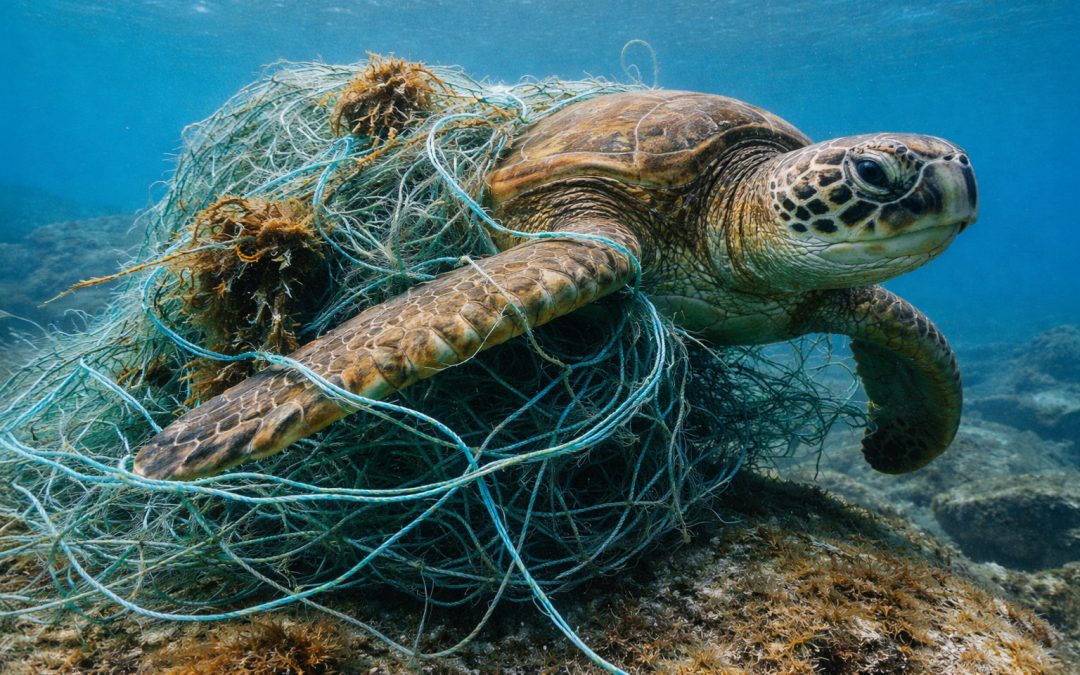
Oahu Sea Turtle Emergency Checklist: Injured, Hooked, or Entangled
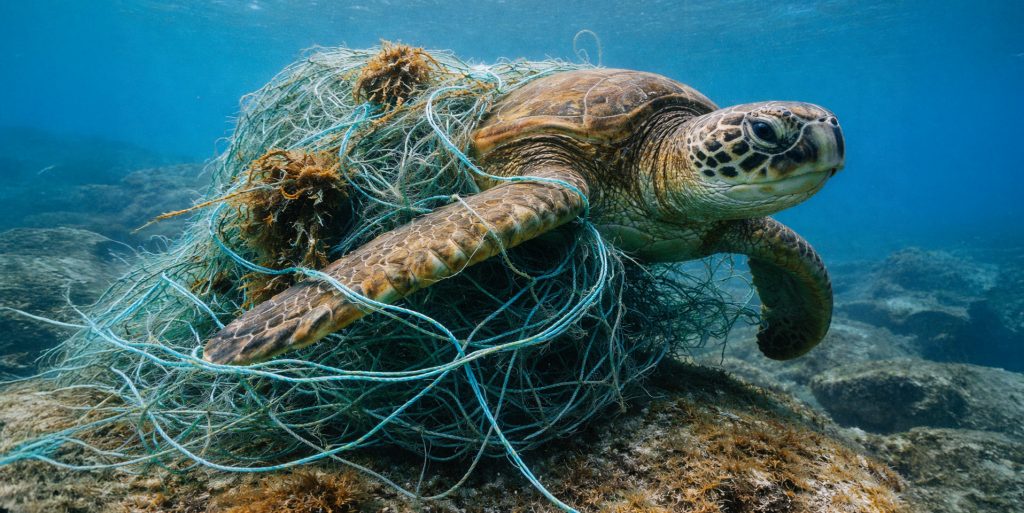
Sea turtles on Oahu can run into trouble fast, especially with fishing line, hooks, and other gear in the water. That’s why NOAA and DLNR keep reminding people to report problems right away and let trained response networks handle it.
If you see a sea turtle that’s injured, hooked, or tangled, your job is simple: call, keep your distance, document what you see, and help responders find the animal. The steps below keep everyone safer, including the turtle.
Step 1: Call right away
Call immediately if you think the turtle is injured, hooked, or entangled.
- NOAA Marine Wildlife Hotline: 1-888-256-9840 (or 1-888-853-1964)
- Hawai‘i Marine Animal Response (HMAR): 888-256-9840
- DLNR (Illegal Gillnets/Fishing): 643-DLNR (3567)
If you only remember one thing, remember this: call first.
Step 2: Keep a safe distance
Stay back. Give the turtle space so it doesn’t get more stressed or try to flee.
- Keep at least 50 yards away
- Keep pets and crowds away, too
- Avoid surrounding the turtle or blocking its path
Step 3: Don’t try to “fix it” yourself
It can be tempting to help right away, but handling sea turtles without training is illegal and dangerous for you and the turtle.
Here’s the safest rule:
- Do not attempt a rescue unless you are instructed by responders
Step 4: Use this checklist if the turtle is hooked or tangled
Use the checklist that matches what you’re seeing.
If the turtle is hooked (especially if you’re the fisherman)
- Reel the turtle in slowly
- Do not drag the turtle up cliffs
- Cut the line as short as possible to the hook
- Do not remove the hook if it is swallowed
Even if you can see the hook, don’t pull it out yourself. Your best move is still to call and follow instructions.
If the turtle is entangled
- Do not attempt to remove deep fishing line or gear
- Avoid pulling on tight line or trying to unwind it
- Leave the work to trained responders who have the right tools and methods
Step 5: Document what you see (without getting close)
Photos and video can help responders understand what’s happening and find the turtle faster.
Try to capture:
- The turtle’s condition (injury, hook, line, or gear)
- The gear involved (line, hook, net, or other material)
- The turtle’s location in the area (shoreline and landmarks)
Also note:
- Time
- Any identifying marks you notice
Step 6: Report the key details responders will ask for
When you call, be ready to share:
- Location (beach name, GPS if possible, and clear landmarks)
- Date and time of the sighting
- Condition and size of the turtle
- Type of entanglement or gear involved
Clear details can save precious time.
Step 7: Stand by if you can
If it’s safe and you’re able to stay:
- Remain nearby (at a safe distance)
- Help guide responders to the turtle when they arrive
This is often one of the most helpful things a bystander can do.
What NOT to Do (quick “no” list)
Keep this short list in mind:
- Don’t get closer than 50 yards
- Don’t try to pick up, carry, or handle the turtle
- Don’t drag a turtle over rocks or up cliffs
- Don’t pull on fishing line or remove deep gear
- Don’t try to remove a swallowed hook
Save This Before Your Next Beach Day
Turtles and You recommends saving the hotline number in your phone now, so you don’t have to search for it later. When a sea turtle is in trouble, quick reporting and calm, careful action make a real difference.
Be the Calm Helper the Turtle Needs
If you ever see a sea turtle on Oahu that looks injured, hooked, or tangled, you don’t have to be a wildlife expert to help. Call the hotline, keep your distance, document what you can, and let trained responders take it from there. That one clear response protects you, protects the turtle, and supports the people who are ready to help.