Oahu Turtle Snorkeling Safety: Distance Rules & Best Practices
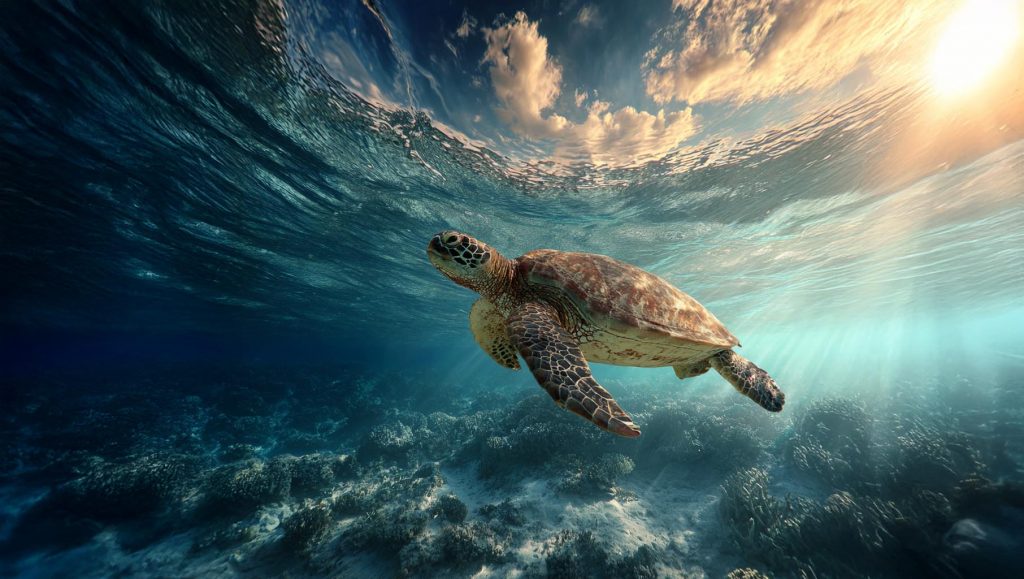
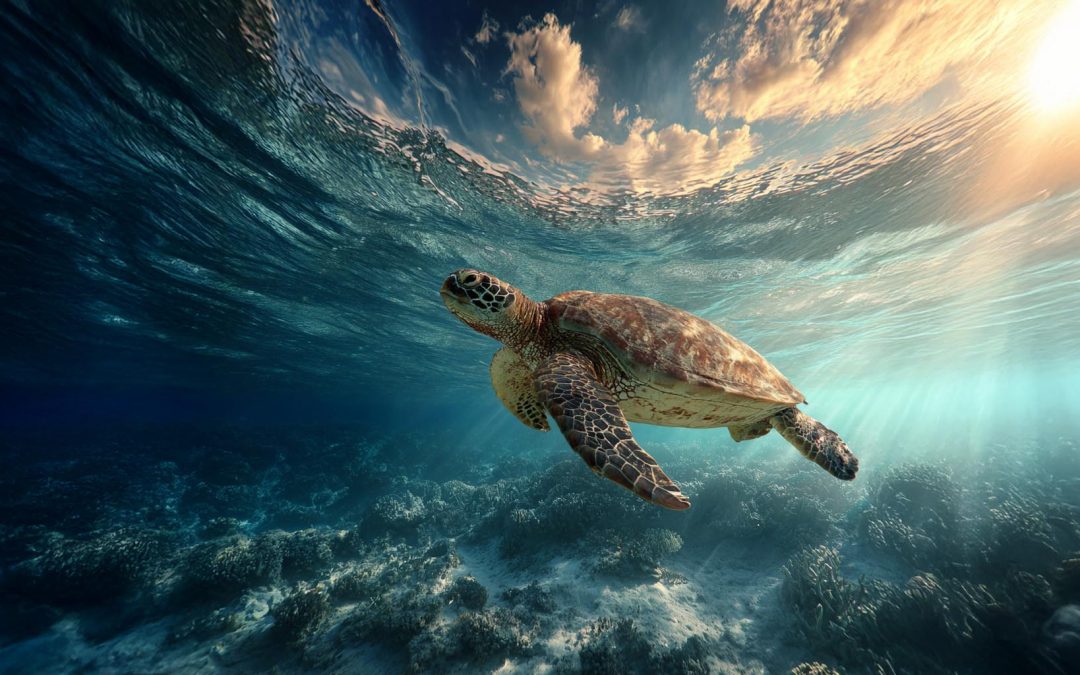
Sea turtles are one of the best parts of snorkeling on Oahu. But turtles are still wild animals. When people get too close, turtles can get stressed, waste energy trying to leave, or stop resting and feeding. The safest encounters happen when you give turtles space, move calmly, and let the turtle decide where it goes.
This guide keeps it simple: the same key rules apply in the ocean and on the beach.
Start here: the three rules that cover almost everything
- Stay at least 10 feet away from sea turtles (about 3 meters), whether you’re in the water or on land.
- Never touch, chase, crowd, or block a turtle.
- If a turtle changes its behavior, you’re too close. Slowly back up and give more space.
If you remember only that, you’re already doing better than most crowds.
Why distance matters more than people think
Sea turtles need to:
- surface to breathe
- rest without being disturbed
- swim without feeling trapped
When swimmers or beachgoers close in, turtles may feel like they have no safe path. They can panic, burn energy escaping, or stop what they were doing. Even “friendly” contact can cause harm and stress.
In the ocean: how to snorkel near turtles without bothering them
The safest way to watch a turtle
A good turtle encounter often looks pretty calm:
- you float
- you watch
- you don’t chase
- you let the turtle pass through
Do these in the water
- Hold your position when you can. Floating quietly is better than swimming after a turtle.
- Keep that 10-foot space. If the water is crowded and you can’t keep distance, move away.
- Leave the turtle a clear lane. Don’t get in front of it or box it in.
- Kick gently. Big, fast fin kicks can stir up sand and chaos.
- Turn your body slightly sideways. Charging straight toward a turtle can feel threatening.
Avoid these in the water
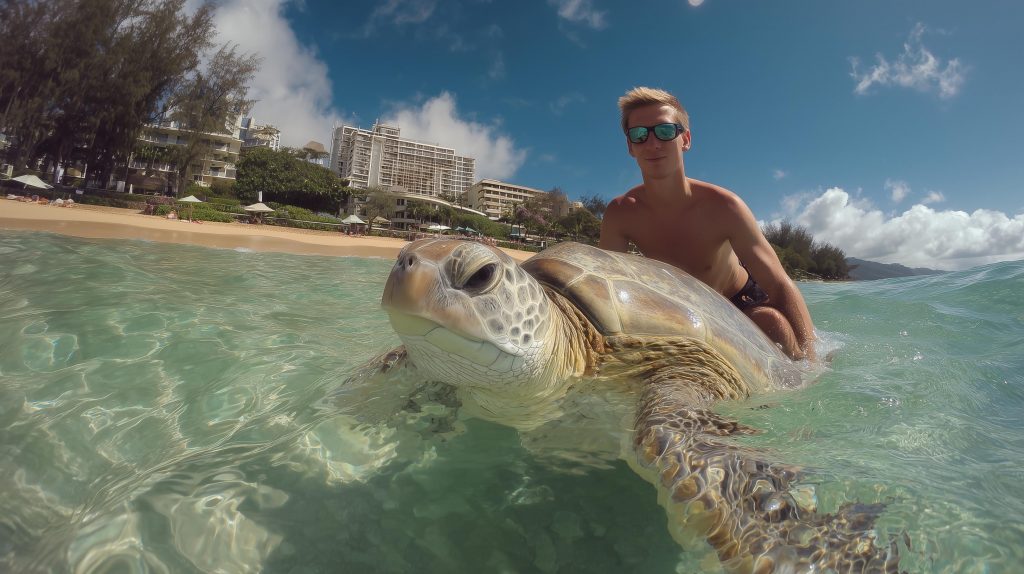
- No touching at all. Not a tap, not a “gentle” rub, not holding on for a photo.
- No chasing. If you have to work to keep up, you’re too close.
- No surrounding. If the turtle is in the middle of people, the group is too tight.
- Don’t block the surface. Turtles need to come up for air.
If a turtle swims toward you
It happens. The right move is still on you: slowly back up so the turtle keeps its space. Don’t reach out, don’t hold your ground in its path, and don’t try to turn it into a close-up moment.
On shore: what to do when turtles are resting on the beach
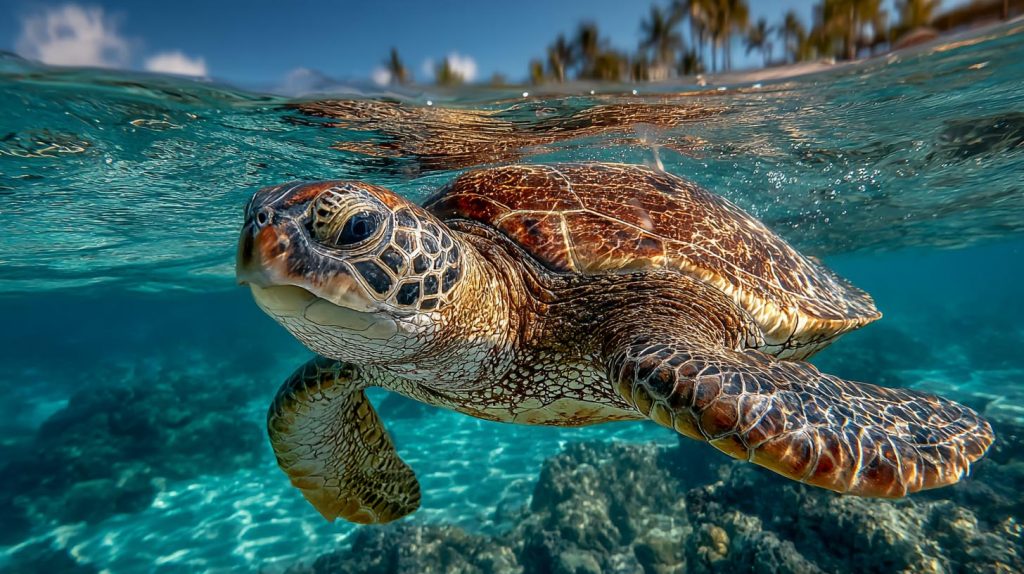
Sometimes turtles come onto the sand to rest and stay there for a long time. This is normal.
Beach best practices
- Stay at least 10 feet away.
- Don’t step between the turtle and the ocean.
- Keep your movements slow and quiet. Sudden motion can scare it.
- Respect signs, cones, or barriers if you see them.
- Don’t approach for selfies or group photos. If you have to move closer for the shot, you’re too close.
A resting turtle is not asking to be part of a crowd. The best thing you can do is give it room.
Photos and video: better shots without breaking the rule
You can still get strong turtle photos without crowding them.
Try this instead:
- use zoom rather than moving closer
- stay steady and patient
- keep your camera and your body out of the turtle’s path
Most “wow” turtle moments come from waiting and letting the turtle act naturally.
Your safety matters too
Keeping distance protects turtles, but it also helps you. Calm snorkeling is safer snorkeling.
Before you get in
- choose conditions that match your skill level
- make sure your mask fits and your snorkel works
- go with a buddy when possible
While you’re out there
- rest when you need to
- avoid fighting currents
- if you’re not a strong swimmer, consider using a flotation aid so you can stay relaxed and steady
When you’re calm, you’re less likely to kick hard, stir the bottom, or drift into a turtle’s space.
If you see someone bothering a turtle
If it feels safe, a simple reminder can help:
- “The guideline is 10 feet. Let’s give it some space.”
Keep it calm. Most people don’t think they’re doing harm until someone says something.
If a turtle looks hurt or you see nesting behavior
Don’t try to handle it yourself. The option listed for reporting marine wildlife concerns in Hawaiʻi.
Quick recap: turtle-smart habits that work
- 10 feet away, ocean and beach
- no touch, no chase, no crowding
- don’t block their path or their air
- if the turtle reacts, back up
The Best Turtle Encounter Is the Calm One
On Oahu, the most memorable turtle sightings usually aren’t the closest. They’re the ones where the turtle stays relaxed and does its thing. Give turtles space, keep your movement slow, and let respect be part of the adventure.